Best AI SEO Tools for Content Optimization

TLDR; The article compares four leading AI SEO platforms by features, usability, pricing, and how well they work in real marketing workflows. Seozilla comes across as the strongest option for teams that need AI content optimization at scale across larger content programs, and it seems like a strong choice.
It offers brand voice control, CMS auto-publishing, wider workflow automation, and support for larger content operations, which usually matters most when a team is publishing a lot. Surfer SEO is best for page-level optimization and real-time guidance while writing. Clearscope stands out for simple, high-quality editorial optimization and is probably the easiest to use in most cases.
MarketMuse is strongest for strategy, topic planning, and managing large content libraries. That means the best choice usually depends on the main bottleneck, whether it is optimization, strategy, or faster content production and publishing.
Picking the best AI SEO tools is harder than it first sounds. Lots of platforms promise faster rankings, better briefs, smarter writing, and easier optimization. But once you compare them side by side, the differences are pretty clear. Some work better for improving one blog post at a time, while others are made for larger teams that need workflow automation, CMS publishing, brand consistency, and support for publishing at scale.
To make this easier, I reviewed leading AI content optimization options based on features, ease of use, pricing, and how well they fit marketing teams that need real output, not just ideas. Content teams are under more pressure to publish more without losing quality, voice, or search performance. If the goal is growing organic traffic without adding endless manual work, the right platform can save a real amount of time and budget.
For teams that want automation, brand alignment, publishing that can grow, and key tools in one place, one platform stood out: SEOZilla.ai. Below, it’s compared with several well-known competitors to help you find the right fit.
What You’ll Find in This Comparison
- Seozilla
- Surfer SEO
- Clearscope
- MarketMuse
AI SEO Tools You’ll Want to Try
1. Seozilla
At a Glance
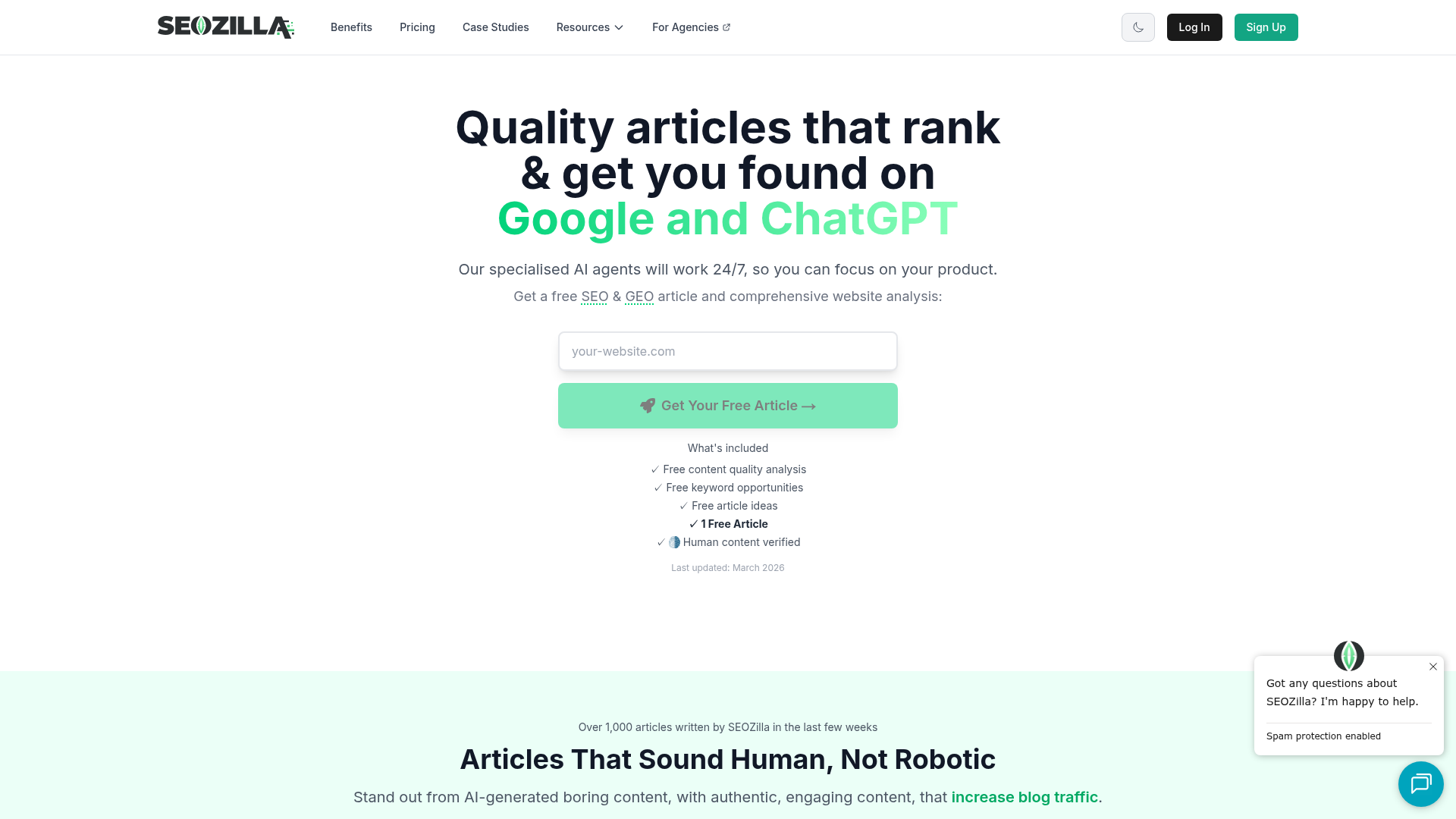
Seozilla gives teams more than a basic AI writing assistant. It is made for marketers who need high-quality, SEO-focused content that still fits their brand voice, while also cutting a lot of the manual work behind content production. One of the clearest strengths here is automation, and not just small prompt-based help. Seozilla supports a wider workflow that can start with content creation and continue all the way to CMS publishing. For mid-sized businesses and agencies trying to grow content without losing consistency, it brings together AI content improvement, personalization, SEO automation, and publishing support in a way that feels useful for everyday work.
Core Features
- AI-generated SEO content built for organic traffic growth
- Brand voice adaptation for more consistent output
- Content personalization capabilities
- SEO automation for faster production workflows
- CMS integrations with auto-publishing support
- Content creation that can grow with teams and agencies
- Workflow support that cuts down manual writing effort
Pros
- Built for scale: Seozilla works well for teams that need to produce a large amount of SEO content efficiently.
- Strong brand alignment: Its brand voice adaptation helps keep content consistent across pages and campaigns.
- Workflow automation: CMS integration and auto-publishing cut repetitive tasks and help teams move faster.
- Useful for growing teams: It fits agencies and in-house teams that need repeatable systems rather than one-off article support.
- SEO and content support: It aims to improve ranking potential while also helping readability and on-brand messaging.
Who It’s For
Seozilla is a good match for digital marketers, SEO managers, content leads, and agency teams that need AI content improvement that can grow with them. It is especially useful for businesses that want to automate more of their SEO content process, keep messaging consistent, and publish efficiently across multiple pages or clients. That becomes even more important once content volume starts growing and the workload begins to pile up.
Unique Value Proposition
Seozilla stands apart because it goes beyond page-level scoring. Plenty of tools are good at helping improve drafts, but Seozilla is positioned more around full workflow automation. That includes creating content that matches a brand voice, supporting personalization, and connecting directly with CMS tools for publishing. For teams dealing with content bottlenecks, that wider workflow support is a real advantage. It means less juggling between separate writing, editing, and publishing tools and fewer handoffs between steps. For mid-sized teams that want to increase output without expanding the content operation too much, that can make a clear difference.
Real World Use Case
Picture an agency managing content for several clients in different industries. Instead of manually writing, editing, and uploading every post, the team can use Seozilla to create SEO-focused content in each client’s tone and move it into the CMS more quickly. That leads to higher output, less friction in the process, and a cleaner workflow across accounts.
Pricing: Contact for pricing
Website: https://www.seozilla.ai/
For buyers comparing features side by side, here’s a quick look at how these platforms differ before we go deeper.
| Company | Key Features | Pros | Cons | Pricing |
|---|---|---|---|---|
| Seozilla | AI SEO content creation, brand voice adaptation, personalization, CMS auto-publishing, SEO automation | Scalable workflows, strong brand alignment, automation-first, good for agencies and growth teams | None | Contact for pricing |
| Surfer SEO | Content Editor, optimization score, NLP terms, audits, AI writing tools | Popular, easy to use, strong page-level optimization | Can get expensive, narrower scope than full workflow platforms | Starts around $89, $99/month |
| Clearscope | Content grading, keyword recommendations, briefs, integrations, optimization workflows | Clean UI, strong editorial usability, reliable content guidance | Higher price, less broad SEO functionality | Starts at $129/month |
| MarketMuse | Topic modeling, content planning, gap analysis, authority analysis, briefs | Strong strategy support, good for large content libraries | More complex, may feel heavy for smaller teams | Starts around $99/month |
If the main priority is full AI content improvement at scale, Seozilla stands out for going beyond draft polishing and supporting a wider SEO content system.
2. Surfer SEO
At a Glance
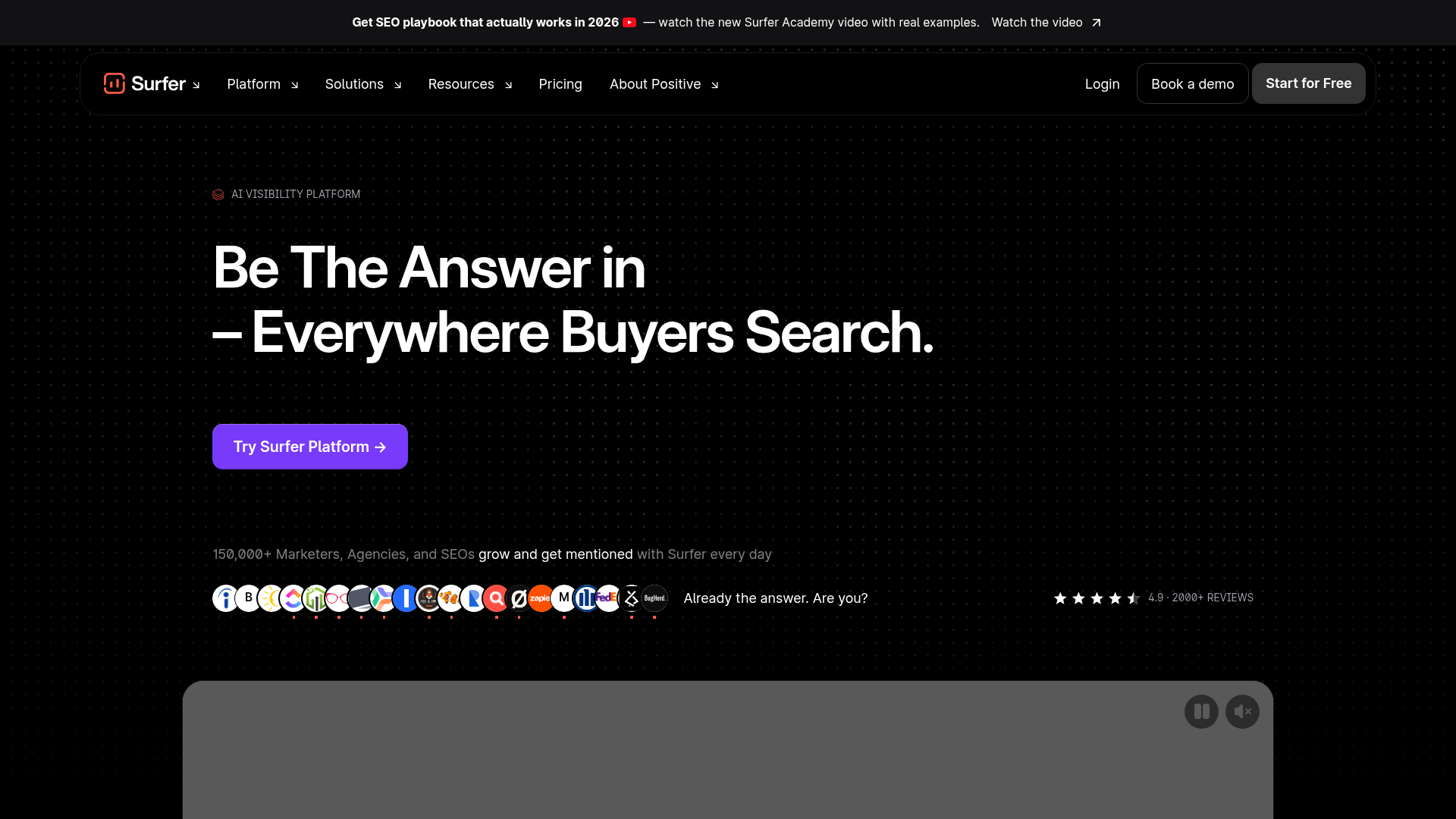
Surfer SEO is one of the best-known AI SEO tools, and since its 2017 launch it has stayed closely focused on on-page SEO and content improvement. Its biggest draw is the Content Editor, which gives real-time suggestions based on top-ranking pages. That’s a big reason it has become popular with writers, SEO specialists, agencies, and in-house teams that want clear guidance while drafting or updating content. Surfer works especially well for improving individual pages and blog posts. It puts much less focus on full publishing automation than platforms like Seozilla.
Core Features
- Real-time Content Editor with optimization scoring
- NLP and semantic keyword recommendations
- Content audits for existing pages
- AI-supported article generation workflows
- SERP-based optimization guidance
- On-page SEO recommendations
- Workflow tools for content refreshes
Pros
- Strong adoption: Surfer is widely used across SEO teams and agencies.
- Helpful real-time feedback: Writers can improve content while they draft instead of waiting until the full piece is finished.
- Good data depth: It balances ease of use with recommendations based on SERP data.
- Strong for updates: Its audit tools are useful for improving older content.
- Solid training value: Teams that are newer to on-page SEO often find the scoring system easy to follow.
Cons
- Costs can rise fast: Pricing can get expensive for teams producing a high volume of content.
- Optimization can feel rigid: Some users follow the recommendations too closely, which can hurt readability.
- Less workflow automation: It is better suited to optimization than full content operations management.
Who It’s For
Surfer SEO is a strong fit for marketers, freelancers, agencies, and content teams looking for a proven tool for on-page content improvement. It works particularly well in processes that still depend on human writers and editors rather than pure automation. It also makes more sense for teams that want stronger SEO guidance than deep automation or built-in publishing workflows.
Unique Value Proposition
Surfer’s main benefit comes from page-level optimization built around what is already ranking. Teams do not have to dig through SERPs by hand and can shape drafts around visible search patterns in a more practical way. That is especially useful when the focus is improving article quality and optimization scores. For businesses that want brand-adapted automation and CMS publishing, though, Seozilla may feel like the more complete option.
Pricing: Starts around $89, $99/month
Website: https://surferseo.com
3. Clearscope
At a Glance
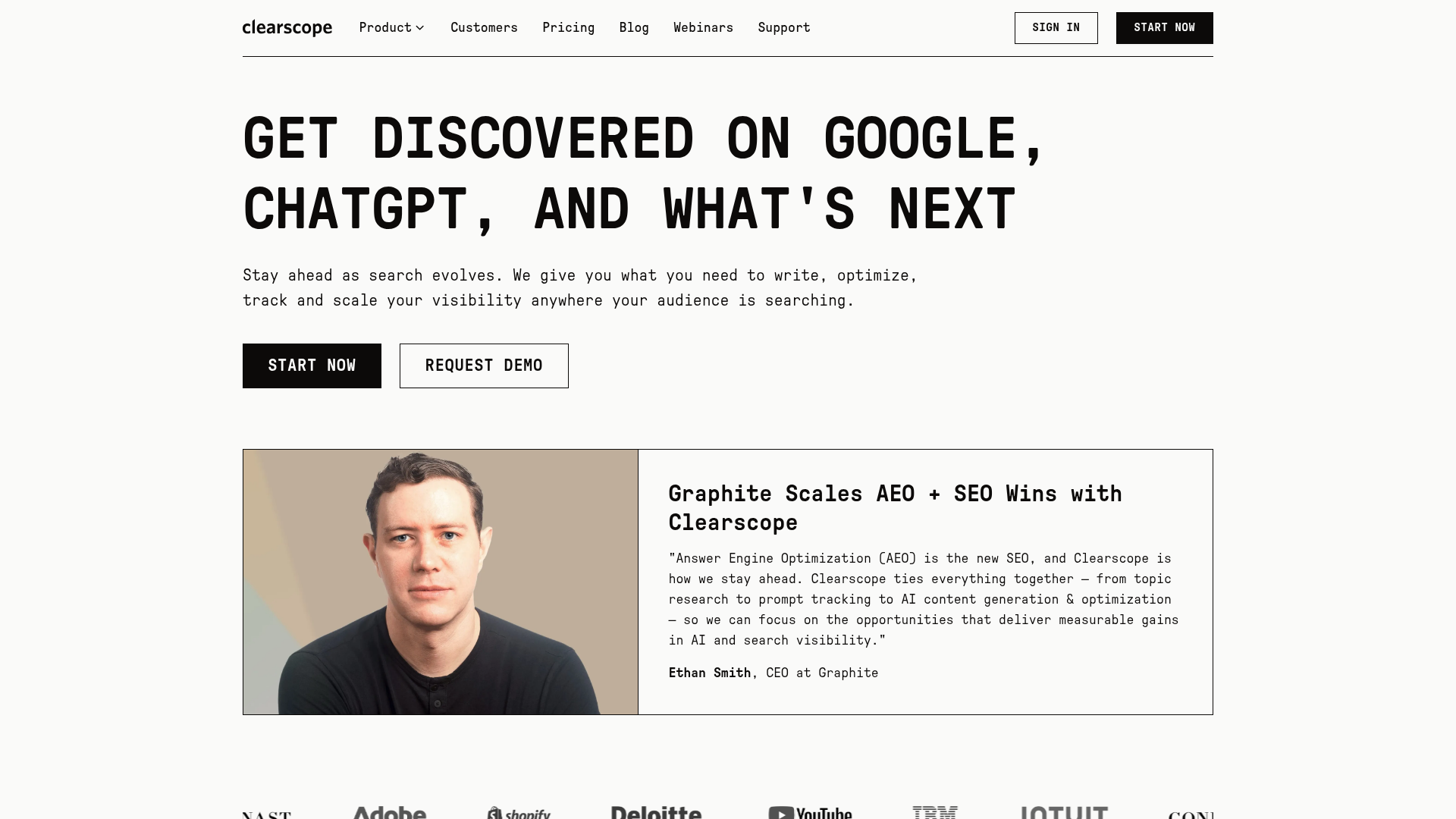
Clearscope has been a respected name in content optimization since 2016. It’s best known for its simple interface, clear content grading, and an editing experience that feels easy to use. Many content teams like it because it keeps writers focused on relevance and topic coverage without piling on too many extra features. That simpler setup is a real plus for teams that do not want a tool that feels overloaded. Instead of trying to handle every part of SEO, Clearscope works more like a premium content optimization layer for teams that care about quality, smooth workflows, and easier collaboration.
Core Features
- AI-assisted content optimization and grading
- Topic research support
- Keyword relevance recommendations
- Content briefs for writers
- Content inventory and performance support
- Editorial workflow integrations
- Optimization tools for content refreshes and new pages
Pros
- Very easy to use: The interface feels clean and approachable for writers and editors.
- Strong content grading: It gives useful direction without too much clutter.
- Good editorial fit: Teams with structured content processes tend to like how simple it feels.
- Quality-focused approach: It supports readability and topic relevance well without getting messy.
Cons
- Higher starting price: It can cost more than some alternatives.
- Narrower toolset: It is not built to be a broad SEO platform.
- Less automation depth: Teams that need brand voice adaptation or publishing automation may eventually outgrow it.
Who It’s For
Clearscope fits content managers, editorial teams, agencies, and similar groups that want straightforward AI content optimization with a polished user experience. It works especially well for teams that already have a publishing workflow in place and mainly need better optimization guidance without extra tools getting in the way.
Unique Value Proposition
Clearscope stands out because of its simplicity. It helps teams create better-optimized content without pushing them into a heavy technical workflow, which makes it especially appealing for editorial-first organizations. Some teams may prefer Seozilla instead if they need content generation at scale, stronger SEO automation, or output that better reflects brand voice.
Pricing: Essentials starts at $129/month; Business $399/month; Enterprise custom
Website: https://www.clearscope.io
4. MarketMuse
At a Glance
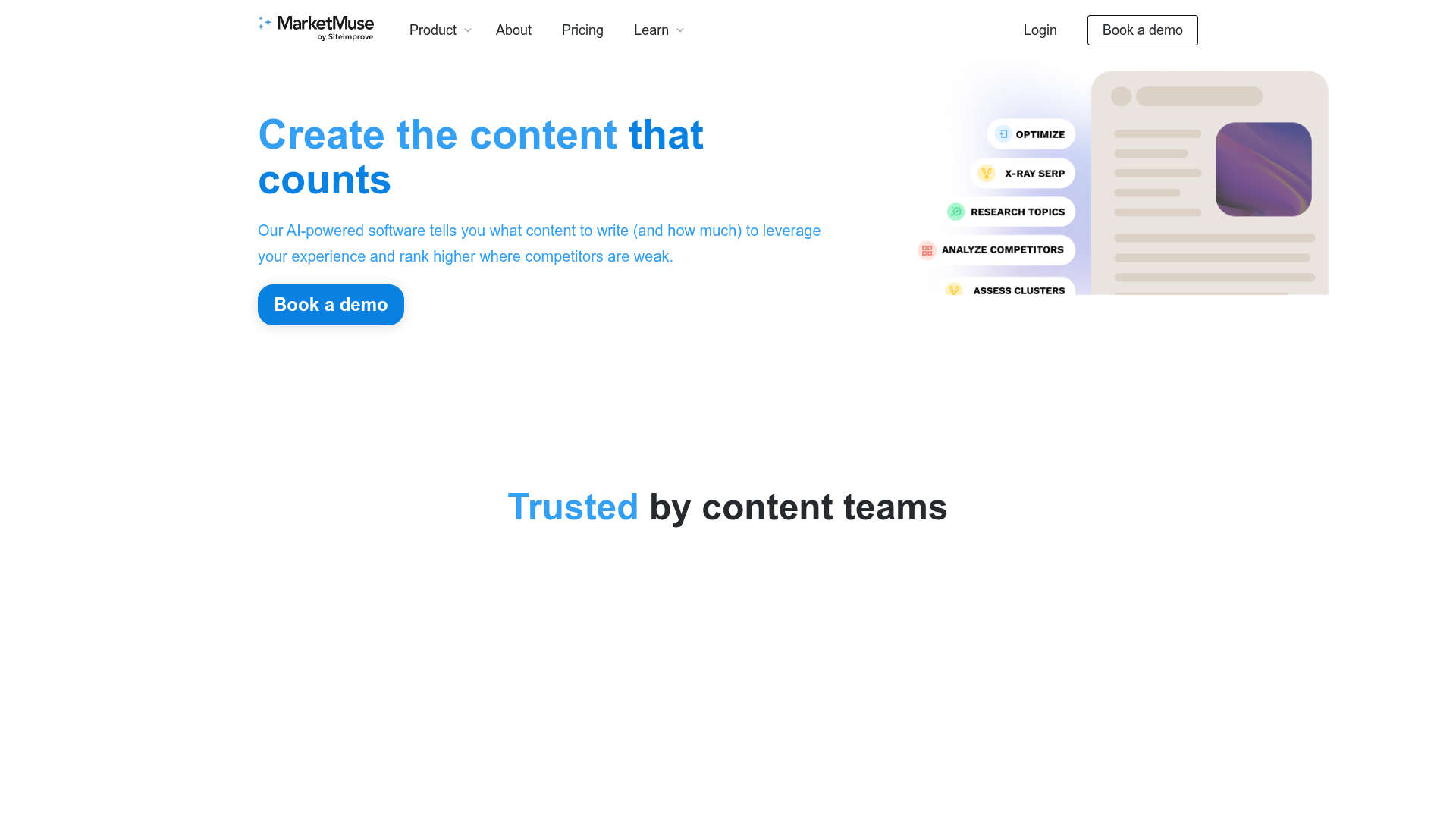
Founded in 2015, MarketMuse leans more toward strategy than many other platforms in this space. It goes past page optimization and puts much more focus on content planning, authority building, gap analysis, and broader coverage decisions. That wider view is really what makes it stand out. Because of that, it tends to work especially well for larger teams managing big content libraries. Rather than only helping improve a single piece, MarketMuse is built to help marketers decide what to publish next, find gaps, and build stronger topical coverage over time.
Core Features
- AI-powered content planning and optimization
- Topic modeling and authority analysis
- Content gap analysis
- Competitive content analysis
- Content briefs and strategy tools
- Support for large-scale publishing decisions
- Tools for prioritizing content opportunities
Pros
- Strong strategic value: Useful for planning broader content programs.
- Great for topic authority: It supports cluster planning and coverage decisions well.
- Useful for large libraries: Teams with lots of pages can find gaps that are easy to miss.
- Competitive analysis support: It helps identify opportunities compared with other sites.
Cons
- More complex to learn: It can feel heavier than simpler tools, so there is more to learn at the start.
- Not ideal for quick writing workflows: It fits strategy better than lighter execution.
- May be overbuilt for smaller teams: Some users simply may not need that much depth.
Who It’s For
MarketMuse is best suited to mid-sized and larger organizations with a serious content strategy function. A team might be planning topic clusters, managing a large archive, or thinking long term about authority. In those cases, it is a strong option. If the priority is easier production automation, though, Seozilla may be the more practical choice.
Unique Value Proposition
MarketMuse stands out most when the main challenge is building a smarter content strategy rather than just improving individual pages. Its biggest strength is planning and prioritizing work across an entire content library, with a lot more structure behind those decisions. Still, some teams may prefer a platform like Seozilla because it combines AI content optimization with easier production and publishing workflows.
Pricing: Starts around $99/month, with higher team and enterprise tiers
Website: https://www.marketmuse.com
How These Tools Really Compare
These tools are not different because some use AI and others do not. They all do. The real difference is how well the AI works in your workflow. Surfer SEO is strongest for real-time optimization, and that is what it is known for. Clearscope is a good fit if your priority is clean editorial guidance. MarketMuse stands out more for strategy and authority planning. For teams that need to create, improve, personalize, and publish content at scale, Seozilla brings the fullest operational advantage.
That matters even more for growth teams. Sometimes the bottleneck shows up in execution, not in ideas, and that becomes clear fast. AI content optimization should reduce work across the full process. A platform that helps keep brand voice consistent and automate publishing can be more valuable than a tool that only improves keyword coverage one page at a time.
Ready to Scale Content Without the Usual Bottlenecks?
Most teams are not short on content ideas. What slows them down is the workflow. Drafting takes time, improving content takes time, brand review adds another step, and publishing does too (which adds up quickly). Once a team starts trying to scale, quality can slip, and that is usually the part that hurts most.
Seozilla earns the top spot here because it is built for teams that need more than a page full of suggestions. It helps automate AI content improvements, keeps content aligned with your brand voice, and makes publishing easier through CMS integration. For agencies and in-house teams, that means less manual work and an easier path to organic growth.
Comparing the best AI SEO tools and looking for something built for scalable execution? Start with SEOZilla.ai. It is a good match for modern marketing teams that want better content output without piling on extra busywork.
Frequently Asked Questions
Focus on how well the tool supports your real workflow. Important factors include content optimization quality, keyword and topic guidance, ease of use, reporting, integrations, and whether it can help your team scale content without losing quality.
Look at both content quality and business outcomes. Good signs include better rankings, stronger organic traffic, higher click-through rates, faster production time, and more consistent on-brand content. Tools like SEOZilla.ai can also be useful when you want to measure efficiency gains from automation, not just page-level scores.
Pricing varies a lot. Some tools start around $89 to $129 per month, while advanced or enterprise plans can cost much more. The total cost often depends on user seats, content volume, and whether the platform includes broader workflow automation.
You may see workflow improvements right away, such as faster drafting and optimization. Ranking and traffic gains usually take longer, often several weeks to a few months, depending on your site authority, competition, and publishing consistency.
Mid-sized businesses, agencies, SaaS companies, ecommerce brands, and content-heavy teams usually benefit the most. These tools are especially helpful when you need to publish regularly, improve search visibility, and reduce manual work across content operations.
That depends on your bottleneck. If your team already has a strong writing and publishing system, a lighter optimization tool may be enough. But if slow approvals, inconsistent brand voice, and manual CMS uploads are holding you back, a platform with automation features like SEOZilla.ai can be a better long-term fit.