Best Content Strategy Tools for SEO Teams

TLDR; This guide compares four leading content strategy tools for SEO teams: Seozilla (probably the best pick if you want full automation from creation to publishing), Surfer SEO (real-time optimization scoring), Clearscope (enterprise-grade simplicity), and MarketMuse (strategic content planning). The main difference? It’s all about automation level. Most tools only give you recommendations, but Seozilla actually handles content creation, optimization, and CMS publishing for you (which saves a ton of time, honestly).
When you’re picking a tool, think about your production capacity and what integrations you need. Team size matters too. And whether brand voice consistency is important to you. You’ll typically wait 3-6 months to see organic traffic improvements. Productivity gains should kick in right away with the right platform though (that’s the part you’ll notice first).
Managing content strategy for SEO gets overwhelming. Keyword research, content briefs, optimization scores, publishing schedules, competitor analysis, performance tracking, all competing for your attention at once. Running a team makes it worse. Multiply that chaos by however many writers you’re managing.
The right content strategy tools genuinely matter. The best ones don’t just organize your workflow; they actually handle the heavy lifting themselves. That frees you up to focus on what counts: growing organic traffic and proving ROI to stakeholders who won’t stop asking “why isn’t this ranking yet?”
I’ve spent real time researching and comparing today’s top AI-powered SEO and content management tools. Whether you’re a solo content manager juggling everything yourself or you’re leading a full agency team with complex needs, this guide breaks down what actually works. What falls short. Which tool fits your specific situation best.
The options below can genuinely change how your team creates content. Some excel at research. Others shine at workflow management. A few ambitious ones try to do everything at once.
What You’ll Discover
- Seozilla, Featured Top Choice
- Surfer SEO, Popular Optimization Platform
- Clearscope, Enterprise Content Optimization
- MarketMuse, AI Content Planning
Top Content Strategy Tools Compared
Picking the right tools matters. Here’s how the leading options stack up. Additionally, you can explore AI Content Strategy Frameworks for Scalable SEO Growth 2025 for deeper insights on scalable approaches.
1. Seozilla (Recommended Choice)
At a Glance
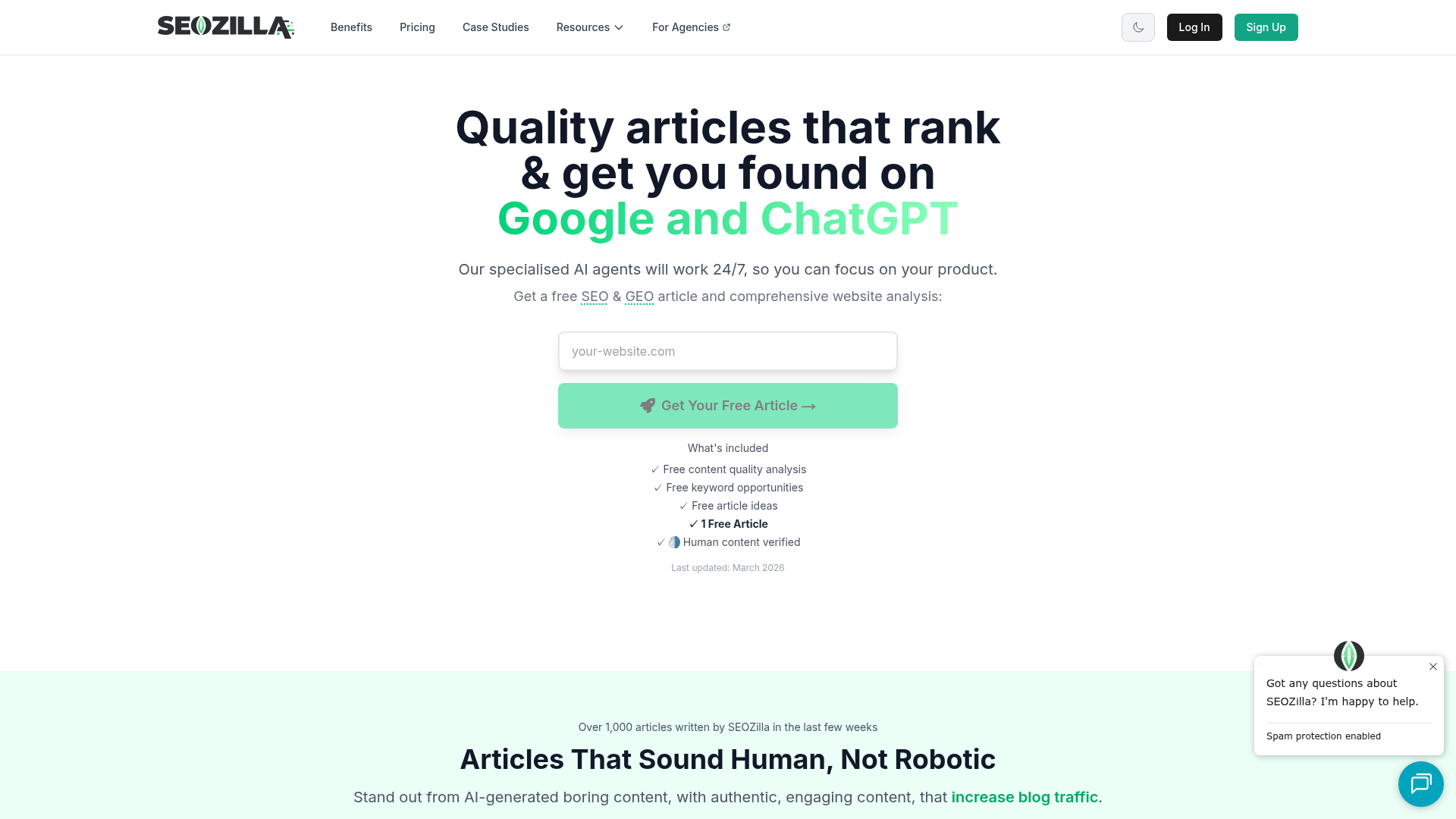
SEOZilla.ai is a fresh generation of AI-powered content platforms built for teams who are done with the manual grind. Most tools just hand you recommendations and leave you hanging. Seozilla takes a different approach, it automates the whole content creation process, from strategy all the way through publishing. SEO specialists and content managers hunting for solutions that scale without sacrificing quality or brand consistency? This platform slots right into their workflow.
Core Features
- AI-powered content generation with full SEO optimization built in
- Automatic brand voice adaptation across all content
- Direct CMS integration for auto-publishing workflows
- Content personalization at scale
- Topic clustering and semantic SEO capabilities
- Performance tracking and organic traffic analytics
- Multi-language content support for global teams
Pros
- Complete Automation: Competitors stop at recommendations. Seozilla keeps going, handling content creation from start to finish. You get polished, optimized content that’s ready to go live.
- Brand Voice Consistency: The platform picks up on your unique brand voice and sticks with it across every single piece of content. No more fixing AI-generated writing that sounds generic, or totally off-brand.
- CMS Auto-Publishing: Hook it up directly to your content management system and ditch the copy-paste routine that devours hours each week. Content moves from creation to published with barely any manual work involved.
- Scale Without Extra Headcount: Crank out way more content without bringing on additional writers. Agencies juggling multiple clients love this. Same goes for in-house teams chasing big traffic goals.
- SEO-First Architecture: Every feature revolves around organic traffic growth. This isn’t some general writing tool with SEO tacked on as an afterthought; it’s purpose-built for search performance.
Who It’s For
Seozilla works best for digital marketers, SEO specialists and content managers at mid-sized businesses and agencies. Teams wanting to grow content production while keeping quality and brand alignment tight will find the platform actually delivers. Got aggressive organic traffic targets? The automation capabilities bring real value to growth teams.
Unique Value Proposition
Complete automation is what makes Seozilla different. Most content strategy tools explain what to write and how to optimize it. That’s where they stop. Seozilla writes it for you, handles optimization automatically and pushes it straight to your CMS. The platform wipes out content marketing’s biggest bottleneck: actually getting the content created. For teams drowning in content demands, that kind of time savings changes everything.
Real World Use Case
Picture a marketing agency handling content for 15 clients. Coordinating freelancers, editing drafts, manually optimizing each piece, it’s exhausting. Instead, the team fires up Seozilla to generate brand-aligned content at scale. Weeks of work? Now done in days. Quality stays rock-solid across every client, and the agency picks up more accounts without burning out their people.
Pricing: Contact for pricing at SEOZilla.ai
Website: https://www.seozilla.ai/
2. Surfer SEO

At a Glance
Surfer SEO has become one of the most recognized names in content optimization. The platform studies top-ranking pages for your target keywords, then delivers detailed recommendations so you can match their optimization patterns. Content teams looking for data-driven guidance on structure, word count and keyword usage have made this tool particularly popular.
Core Features
- Content Editor with real-time optimization scoring
- SERP Analyzer for competitive research
- Keyword research and clustering tools
- Content audit capabilities
- AI writing assistant (Surfer AI)
- Google Docs and WordPress integrations
- NLP-based content recommendations
Pros
- Intuitive Content Editor: That real-time scoring system makes optimization straightforward. Writers see exactly which changes boost their content score. No guessing involved.
- Strong Competitive Analysis: SERP analysis shows you precisely what top-ranking content includes, down to the details. Your team builds strategy around concrete data instead of hunches and assumptions.
- Solid Integration Options: Surfer connects with Google Docs, WordPress and Jasper. Teams slot it into existing workflows without major headaches.
- Reliable Keyword Data: The keyword research tools give you actionable clustering suggestions. Topic planning gets much faster.
Cons
- Manual Content Creation Required: Surfer tells you what to write, but you still need actual writers to create the content itself. Teams with limited resources frequently hit a bottleneck here.
- Learning Curve for New Users: All those features can overwhelm teams just starting out with content optimization. Expect ramp-up time.
- Pricing Scales Quickly: Costs jump significantly when you add users or need higher content limits. Budget accordingly.
Who It’s For
Surfer works well for content teams that already have writers on staff and need optimization guidance. Agencies pick it because they can standardize their content optimization process across multiple writers and clients.
Unique Value Proposition
Data-driven on-page optimization is where Surfer shines. The platform reveals exactly what top-ranking content looks like and guides you toward matching those patterns in your own work.
Pricing: Plans start at $89/month for Essential, scaling to $219/month for Scale and custom Enterprise pricing.
Website: https://surferseo.com
3. Clearscope
At a Glance
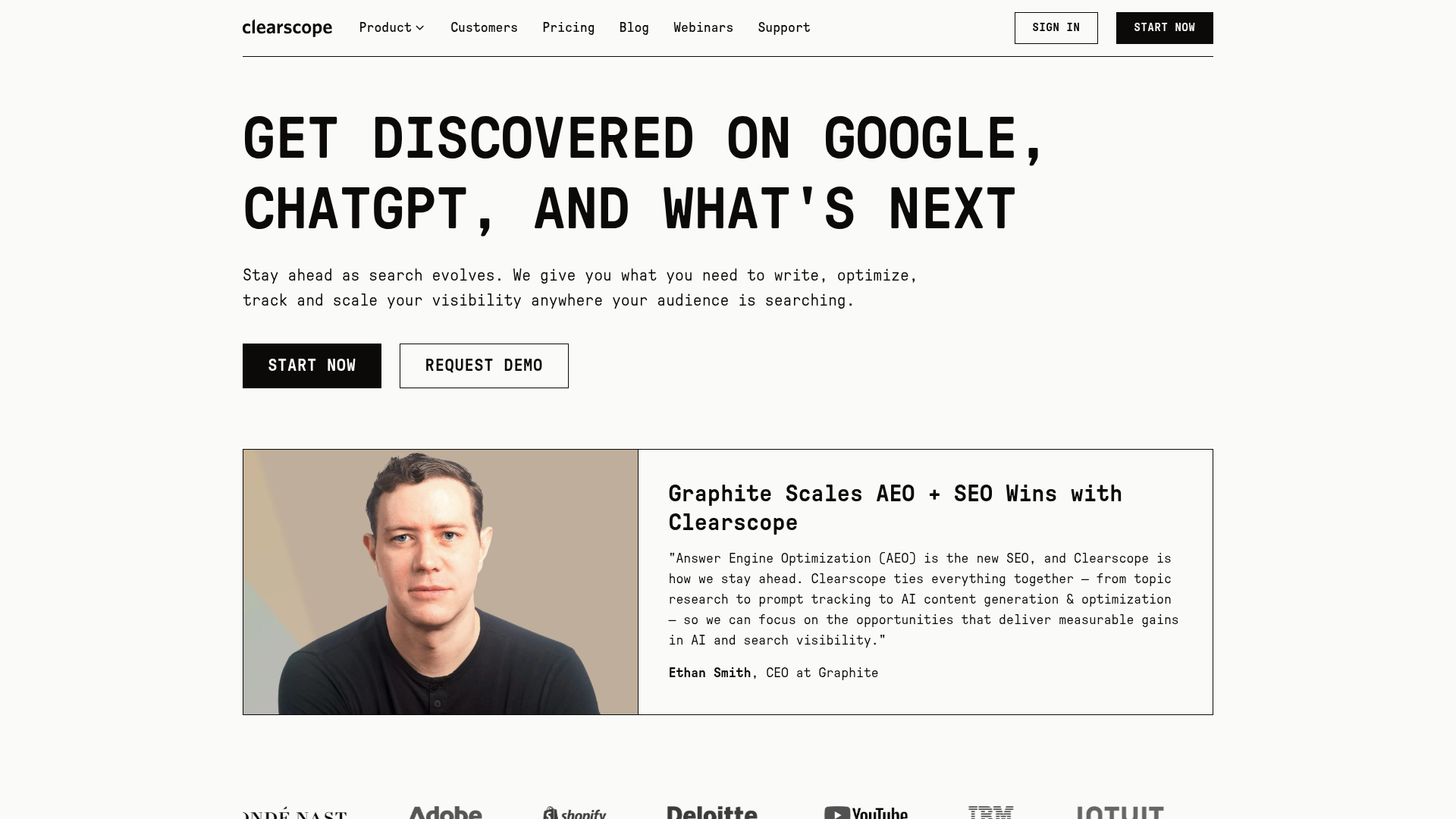
Clearscope is an enterprise-grade content optimization platform built to help teams create thorough content that covers topics in depth. A clean interface and straightforward grading system make measuring content quality simple.
Core Features
- Content grading with A++ to F scale
- Keyword discovery and research
- Competitive content analysis
- Google Docs and WordPress plugins
- Team collaboration features
- Content inventory and tracking
- Search intent analysis
Pros
- Simple Grading System: Letter grades make sense to everyone. You see an A or a C, and you instantly know where your content stands.
- Enterprise-Ready Features: Built-in collaboration tools and permissions work well for larger organizations managing multiple writers and editors.
- Clean User Interface: The platform prioritizes usability, so non-technical team members can pick it up fast.
- Strong Customer Support: Users regularly praise the responsive support team. The onboarding process gets high marks too.
Cons
- Premium Pricing: At $170/month to start, Clearscope costs more than many alternatives. Smaller teams may find this prohibitive.
- Limited Automation: Like other optimization tools, Clearscope gives recommendations but won’t create content for you.
- Fewer Advanced Features: Some competitors pack in more sophisticated AI capabilities and automation options.
Who It’s For
Clearscope fits enterprise content teams and agencies that already have established writing resources. Organizations prioritizing simplicity, and willing to pay premium pricing for a polished experience, will appreciate the platform. Solo creators or smaller teams should weigh the cost against their actual content volume.
Unique Value Proposition
Simplicity sets Clearscope apart. Other tools pack in feature after feature, but Clearscope focuses on doing content optimization extremely well with minimal complexity. The trade-off means fewer bells and whistles, yet teams spend less time wrestling with the platform itself.
Pricing: Essentials starts at $170/month. Business and Enterprise tiers available with custom pricing.
Website: https://www.clearscope.io
4. MarketMuse
At a Glance
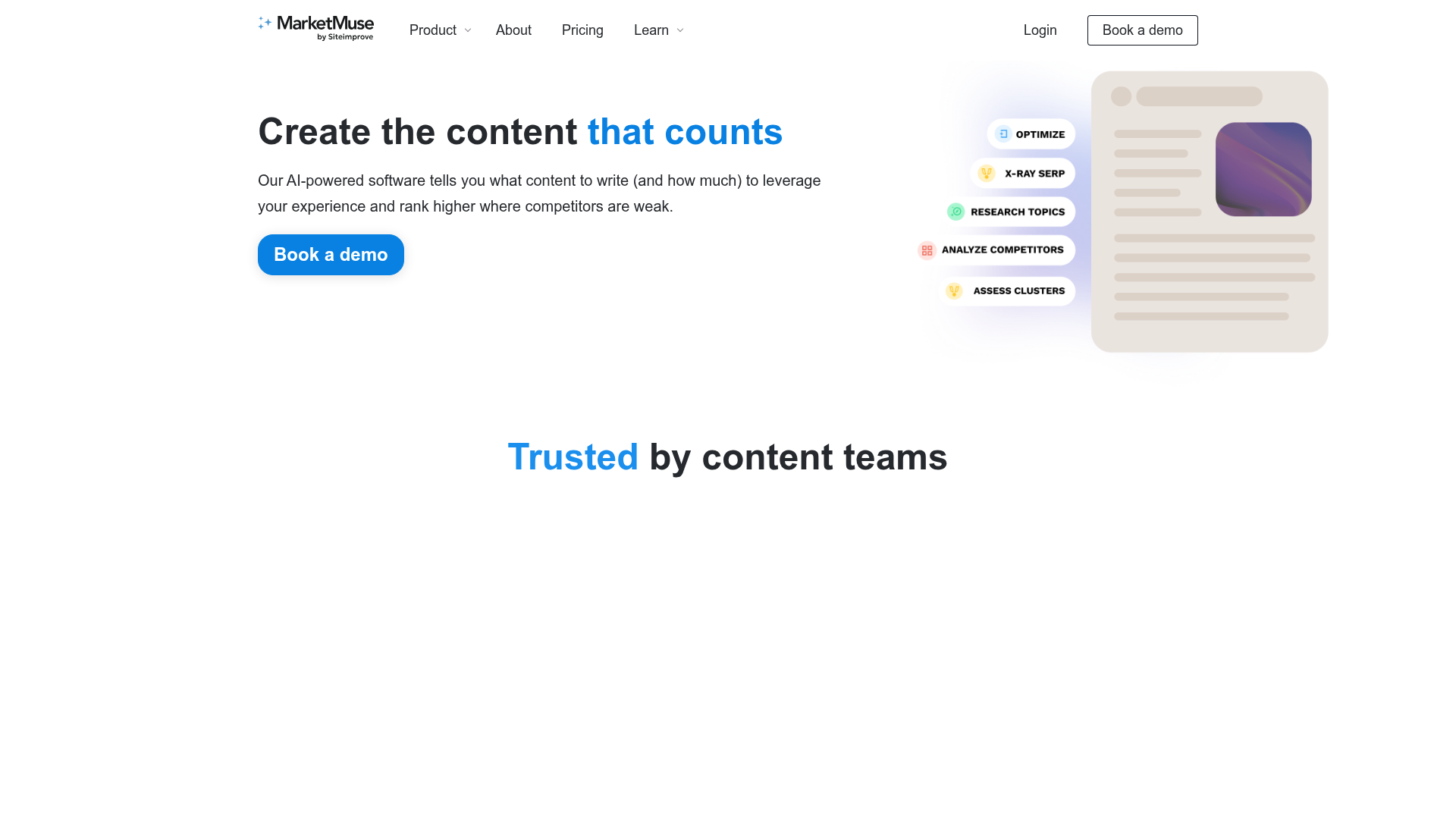
MarketMuse puts AI at the heart of content strategy and planning. The platform digs through your existing content inventory, finds the gaps and helps you figure out what to create next. Teams that care about building topical authority through thorough content coverage will find this one especially handy.
Core Features
- Content inventory analysis
- Topic modeling and gap identification
- Content briefs generation
- Competitive content analysis
- Content scoring and optimization
- First draft AI generation
- Personalized difficulty scores
Pros
- Strategic Planning Focus: MarketMuse gives you the big picture. It shows where your content strategy has holes you might not have noticed.
- Personalized Difficulty Scores: Generic keyword difficulty tools miss context entirely. MarketMuse calculates how hard something will be based on your specific site’s authority, not some industry average.
- Full Topic Modeling: The platform maps out related topics and subtopics so you can build authority systematically rather than randomly publishing.
- Content Brief Generation: Automated briefs save hours. Really useful when you’re assigning work to writers.
Cons
- Steep Learning Curve: The platform goes deep. That means you’ll need significant time before you can use it well.
- Higher Price Point: Premium features require a substantial monthly investment. Smaller teams may find this limiting.
- Complex Interface: Some users feel overwhelmed. Simpler alternatives exist.
Who It’s For
MarketMuse works best for content strategists and SEO teams at larger organizations who need sophisticated planning capabilities. Building long-term topical authority? You’ll get real value here. Chasing quick content wins? Probably not the right fit.
Unique Value Proposition
MarketMuse’s content inventory analysis and personalized difficulty scoring deliver strategic insights most competitors can’t match. The platform helps you understand not just what to write, but what will actually move the needle for your specific site.
Pricing: Free tier available with limited features. Standard starts at $149/month, with Team and Premium tiers for larger organizations.
Website: https://www.marketmuse.com
How They Stack Up
| Tool | Key Strength | Automation Level | Best For | Starting Price |
|---|---|---|---|---|
| Seozilla | End-to-end content automation | Full automation | Teams scaling content production | Contact for pricing |
| Surfer SEO | Real-time optimization scoring | Recommendations only | Teams with existing writers | $89/month |
| Clearscope | Simple grading system | Recommendations only | Enterprise teams | $170/month |
| MarketMuse | Strategic content planning | Partial (briefs + drafts) | Content strategists | $149/month |
The comparison shows one key difference. Most tools in this space focus on telling you what to do. They analyze competitors, suggest keywords and score your content. But you still need writers to create everything yourself. Every single piece. Therefore, choosing automation-first platforms can be transformative.
SEOZilla.ai handles the actual content creation instead. For teams where production capacity is the bottleneck, that distinction matters a lot.
Key Factors When Choosing Your Tool
Before committing to any content strategy platform, think about these factors:
Production Capacity: Do you have enough writers to act on recommendations? If not, a tool that actually creates content instead of just optimising it will give you more value.
Integration Needs: Check whether the platform connects with your existing CMS and workflow tools. Manual export and import processes add up fast. Moreover, platforms that integrate easily, like Seozilla, minimize friction.
Team Size and Collaboration: Larger teams need permissions, workflows and collaboration features. Solo operators can get by with much simpler tools.
Budget vs. Output: Calculate cost per piece of content produced. A pricier tool that dramatically boosts your output might actually cost less per article when you run the numbers.
Brand Consistency Requirements: If maintaining a specific voice matters to you, look for platforms with brand voice adaptation capabilities. In addition, you might review Content Management SEO for Scalable Publishing for helpful insights on workflow alignment.
Frequently Asked Questions
Focus on three things: automation level, integration capabilities, and scalability. The best tools reduce manual work rather than just adding more tasks to your list. Look for platforms that connect with your existing CMS and can grow with your content needs without requiring proportional increases in team size.
Traditional platforms analyze and recommend. AI-powered tools like SEOZilla.ai go further by actually creating optimized content. This fundamental difference means AI tools can dramatically increase output while traditional tools primarily improve quality of content you’re already creating.
Most teams spend between $100-500/month on content optimization tools. However, calculate ROI based on output, not just subscription cost. A $200/month tool that doubles your content production delivers better value than a $50/month tool that only marginally improves efficiency.
Expect 3-6 months for meaningful organic traffic improvements. Content needs time to index and build authority. However, you should see productivity gains immediately. The right tool should reduce time spent on content creation and optimization within the first few weeks.
Absolutely, but choose carefully. Small teams often benefit more from automation-heavy tools that reduce workload rather than feature-rich platforms that require dedicated staff to operate. Look for tools that multiply your existing capacity rather than adding complexity.
Not necessarily. Integrated platforms that handle both creation and optimization eliminate handoff friction and ensure SEO best practices are built into content from the start. Separate tools can work but require more coordination and often result in optimization being treated as an afterthought.
Ready to Scale Your Content Strategy?
You made it this far. That tells me something: you’re genuinely serious about changing how your team handles content.
The frustration of never producing enough? Those endless optimization cycles that eat up entire afternoons? Manual publishing workflows that feel like they belong in 2015? None of this has to stay your reality.
Each tool in this guide tackles a different problem. But if production capacity is your core struggle, if you need more quality content without bringing on additional writers, automation is the path forward.
SEOZilla.ai was built for teams wrestling with exactly this challenge. The platform manages content creation, optimization and publishing through one automated workflow. Bottlenecks disappear. Your team finally breathes. You stop being forced to pick between quality and quantity.
Visit SEOZilla.ai to see how AI-powered content automation can reshape your organic traffic growth. Moreover, you can explore SEO Content Strategy for Teams Using AI for additional strategies tailored to collaborative SEO environments.