Top AI Writing Tools for Content Creation in 2026

TLDR; The article looks at four leading AI writing tools for content creation in 2026: Seozilla, Jasper, Writesonic, and Copy.ai. The main point is simple: the best choice usually depends on what a team actually needs in its workflow.
Seozilla is a strong fit for SEO-focused teams that need automation, a consistent brand voice, CMS integration, and large-scale publishing. Jasper comes across as a good choice for marketing and collaboration, which often helps on shared projects. Writesonic feels like a flexible, more budget-friendly option. Copy.ai is presented as a solid pick for campaign execution and workflow automation.
That means teams should weigh more than writing speed. It also helps to look at how well each tool supports SEO performance, publishing efficiency, and long-term content operations, since those are usually the things that shape everyday content work.
Teams looking at the best AI content tools for 2026 are often trying to solve a real problem: publish more content without lowering quality, hurting rankings, or burning out writers. Search is more competitive, expectations keep rising, and most teams need better workflows than simple prompt-based writing.
I reviewed the top AI writing tools used by marketers, SEO teams, content managers, and agencies. The focus stayed on what matters in real workflows: SEO support, a consistent brand voice, publishing speed, scalability, and how useful each tool is for teams trying to grow organic traffic.
One thing was clear right away: not every AI writer is good at the same job. Some tools work better for campaign copy. Others help teams move faster on drafts. A few are built much more directly for SEO-led content operations. For teams focused on search performance and workflow automation, platforms like SEOZilla.ai will likely stand out first. They do more than generate text. They support a more complete content engine.
What You’ll Find in This Comparison
- Seozilla
- Jasper
- Writesonic
- Copy.ai
Top AI writing tools to try this year
1. Seozilla
At a Glance
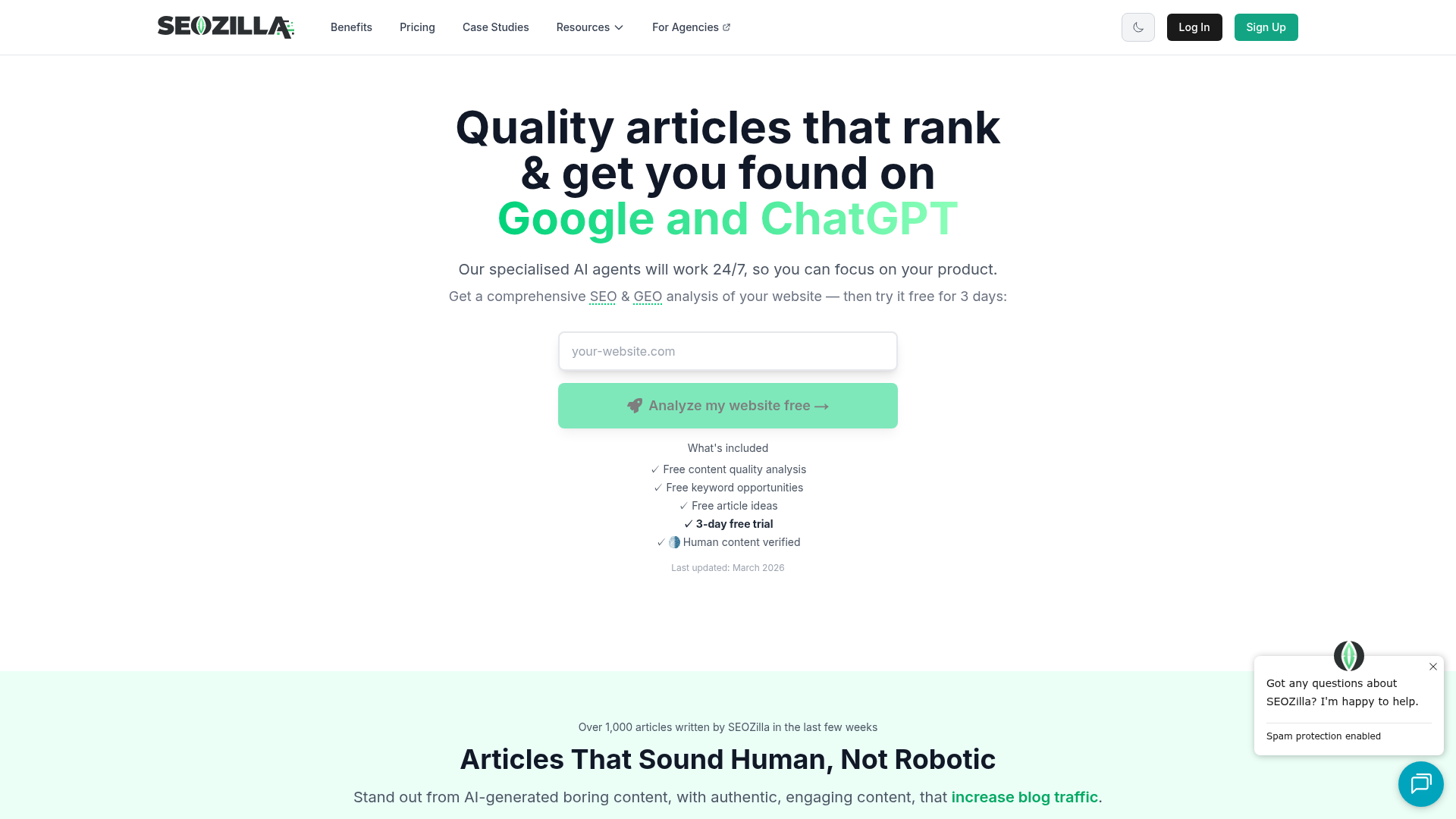
Seozilla stands out for teams that need more than a basic AI writer. It helps brands create high-quality, search-focused content at scale while keeping the output aligned with brand voice. Instead of running every page or post through a fully manual process, teams can use Seozilla for automation, CMS integration, personalization, and organic growth workflows. That makes it especially useful for digital marketers and SEO teams that need more than speed. It helps them build a more efficient content system.
Core Features
- AI-powered SEO content creation for scalable publishing
- Brand voice adaptation for more consistent output
- Content personalization across topics and audiences
- CMS integration for smoother publishing workflows
- Auto-publishing support to reduce manual work
- Organic traffic growth focus instead of just copy generation
- SEO automation designed for agencies and growth teams
Pros
- Built for SEO outcomes: Seozilla focuses on organic traffic growth rather than generic AI writing. For SEO-focused teams, that makes it much more relevant.
- Strong automation value: Auto-publishing and content workflow support can save a lot of time for marketers managing large content calendars.
- Brand-aligned output: Brand voice adaptation helps teams keep messaging more consistent across pages and campaigns.
- Scales well for teams: Mid-sized businesses and agencies can produce content more efficiently without increasing manual writing at the same pace.
- Good fit for modern content ops: Seozilla supports SEO automation, personalization, and publishing. That matches what many content teams already need.
Who It’s For
Seozilla is a strong fit for digital marketers, SEO specialists, content managers, in-house growth teams, and agencies that need to scale organic content production efficiently. It’s especially useful for teams that want AI support across the full workflow, from content generation to brand consistency and publishing automation. It supports a wider content process, not just writing.
Unique Value Proposition
Seozilla works more like an SEO content operations platform than a simple AI writer. Plenty of tools can generate text. Far fewer are built around what modern organic growth teams actually need: search-focused content, brand voice matching, personalized output, and less friction between drafting and publishing. That makes Seozilla a practical choice for companies that care about rankings, velocity, and workflow efficiency at the same time. It can also help teams handle common content gaps tied to SEO strategy execution, topic coverage, and scalable publishing.
Real World Use Case
A mid-sized SaaS company with a lean content team may need to publish dozens of SEO pages each month. That workload adds up fast. Instead of manually briefing, drafting, editing, and uploading every asset, the team can use Seozilla to generate brand-aligned content, simplify optimization, and move approved pieces into its CMS faster. The result is more output with less operational drag.
Website: https://www.seozilla.ai/
After reviewing the top options, the biggest difference comes down to workflow depth. Some tools help teams write faster. Others help them manage content as a real growth channel. Here’s a quick side-by-side view before the list goes deeper.
| Company | Key Features | Pros | Cons | Pricing |
|---|---|---|---|---|
| Seozilla | SEO content automation, brand voice adaptation, CMS integration, auto-publishing, personalization | Strong SEO focus, scalable workflows, consistent brand output, efficient publishing | None | , |
| Jasper | Marketing content generation, brand voice, templates, collaboration, campaign workflows | Polished UX, strong team features, broad use cases | Higher cost, SEO depth may need integrations | From $39/month |
| Writesonic | AI article writing, SEO tools, chatbot features, landing page copy, integrations | Affordable entry point, broad feature set, useful for startups | Output can vary, pricing structure shifts | From $12.67/month |
| Copy.ai | Marketing copy, workflow automation, brand voice, templates, collaboration | Easy to use, good for workflow automation, fast campaign support | Less specialized for deep SEO long-form | From $49/month |
The table shows where Seozilla stands out. It makes the most sense when the main goal is scalable SEO content production instead of general-purpose AI copy alone. For teams measured on traffic, rankings, and publishing efficiency, that matters a lot.
2. Jasper
At a Glance
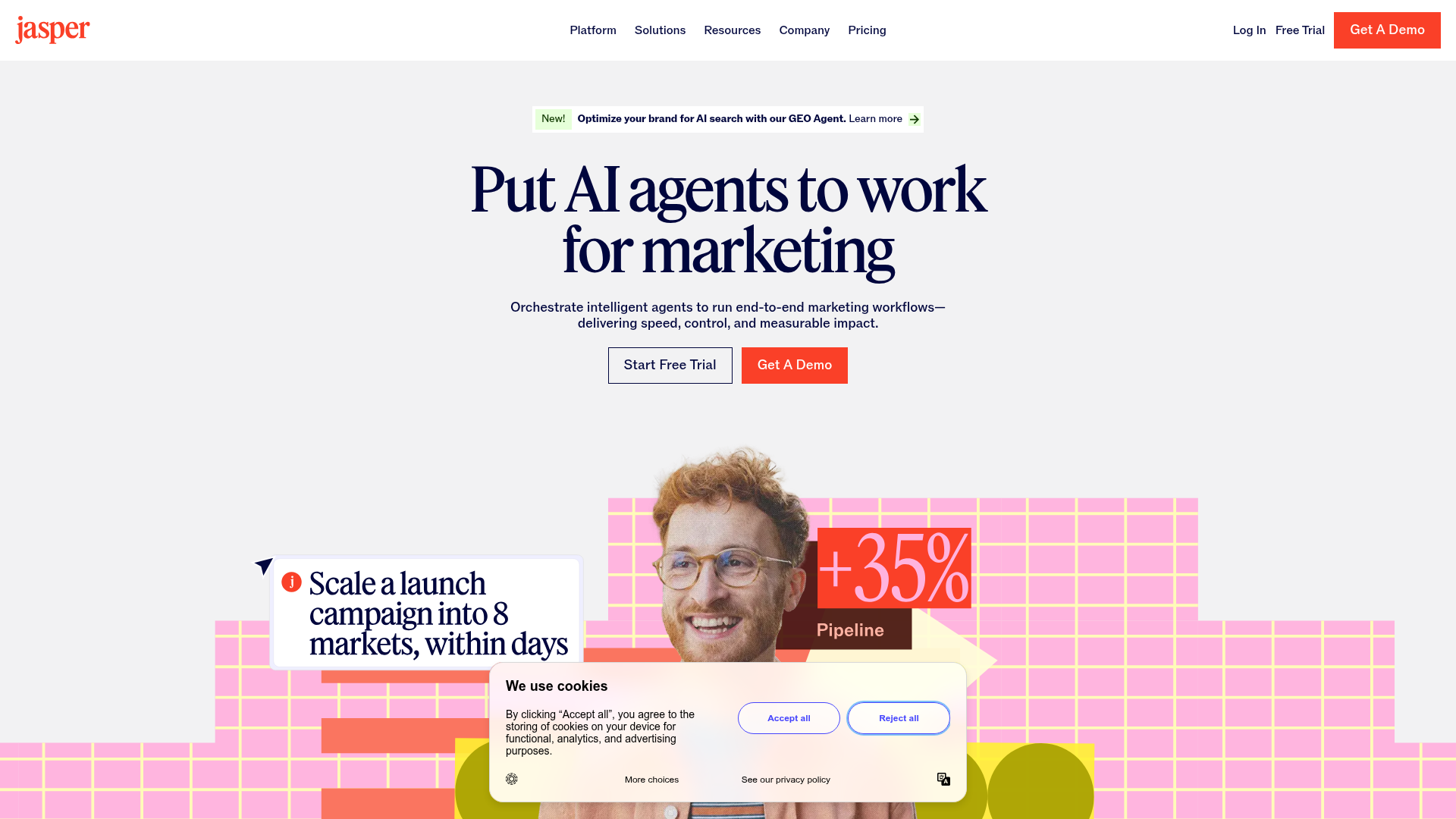
Jasper is one of the best-known AI writing tools on the market and has a strong reputation with marketers, agencies, and in-house content teams. Founded in 2021, it helps users create blog content, campaign assets, product marketing copy, and brand-aligned messaging more quickly. It’s especially popular with teams that want a polished interface, solid collaboration features, and a wide selection of templates. Jasper is especially good for marketing production. For some SEO-focused teams, though, the built-in optimization workflows may not be enough on their own.
Core Features
- AI writing for blogs and marketing content
- Brand voice controls
- Campaign and template-based workflows
- Collaboration features for teams
- Support for multiple content formats
- Workflow tools for content operations
Pros
- Strong brand voice tools: Helpful for teams that need consistency across multiple writers and campaigns.
- Team-friendly workflows: The collaboration features work well for agencies and other multi-user teams.
- Broad content support: Jasper works well for blog posts, ads, emails, and landing pages.
- Established market presence: It’s a familiar option with strong brand recognition in AI content.
Cons
- Can get expensive: Pricing is higher than some alternatives, especially for growing teams.
- SEO may need extra tools: Advanced search optimization may depend on integrations or extra workflow steps.
- Less automation-focused: Jasper works more like a writing platform than a full SEO publishing system.
Who It’s For
Jasper is a good fit for marketing departments, brand teams, and agencies creating a lot of different content and wanting reliable collaboration features. It works best for teams that care about ease of use and brand consistency. For deeper SEO work, separate tools may still be needed.
Unique Value Proposition
Jasper’s main advantage is its mix of usability, marketing templates, and team-focused features. The platform feels built for content operations inside busy marketing teams. Compared with a more SEO-automation-led platform like Seozilla, Jasper can be a better fit for broad campaign writing and is less focused on end-to-end search content workflows.
Pricing: From $39/month
Website: https://www.jasper.ai/
3. Writesonic
At a Glance
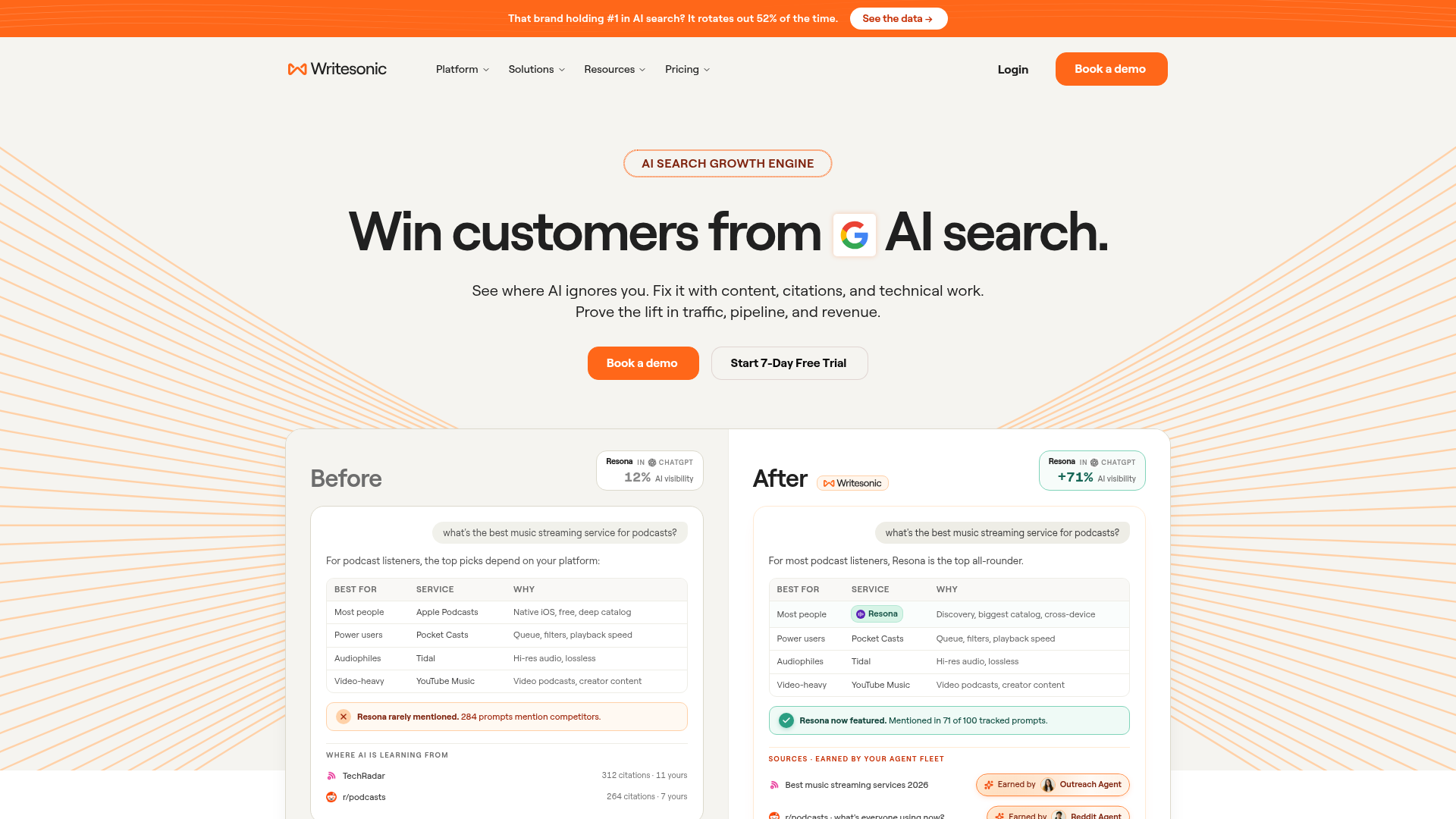
Founded in 2020, Writesonic is a popular AI writing platform for startups, freelancers and growth teams that want a more affordable way to get started. It covers a wide mix of use cases, from article writing and SEO content support to chatbot tools, landing page copy and paraphrasing. Pretty broad. That range helps keep it popular, since users can manage different kinds of content in one place instead of juggling several tools. For teams watching costs closely, Writesonic can be an easy way to add AI to content production. Output quality and feature depth still vary, though, depending on the plan and how it’s configured.
Core Features
- AI article and blog writing
- SEO-focused content tools
- Landing page and marketing copy generation
- Chatbot and conversational AI features
- Paraphrasing and rewriting tools
- Publishing and workflow integrations
Pros
- Budget-friendly start: Lower entry pricing makes it appealing for smaller teams.
- Versatile use cases: Supports blog writing, web copy and campaign content.
- Helpful for growth teams: Gives startups and lean marketers a broad toolkit on one platform.
- SEO support included: Feels more search-aware than many generic writing assistants.
Cons
- Quality can vary: Results may depend on prompts, plan level or model settings.
- Feature structure changes: Pricing and package details can shift, which can make planning harder.
- Not always deep enough for advanced SEO ops: Teams that need stronger automation may outgrow it.
Who It’s For
A strong fit for startups, solo marketers, freelancers and smaller growth teams, Writesonic works well for teams looking for an affordable AI writing platform with some SEO capability. Simple enough. It works especially well when flexibility and cost matter most. Larger teams may still prefer a platform with stronger workflow automation and better brand governance, especially once content needs start to grow.
Unique Value Proposition
Writesonic’s value comes from broad coverage at a fairly accessible price. It combines article generation, SEO support and marketing content creation in one package. Compared with Seozilla, it’s a lighter-weight option for teams just getting started in most cases. Seozilla, on the other hand, is built more around deeper SEO content operations and auto-publishing workflows.
Pricing: From $12.67/month
Website: https://writesonic.com
4. Copy.ai
At a Glance
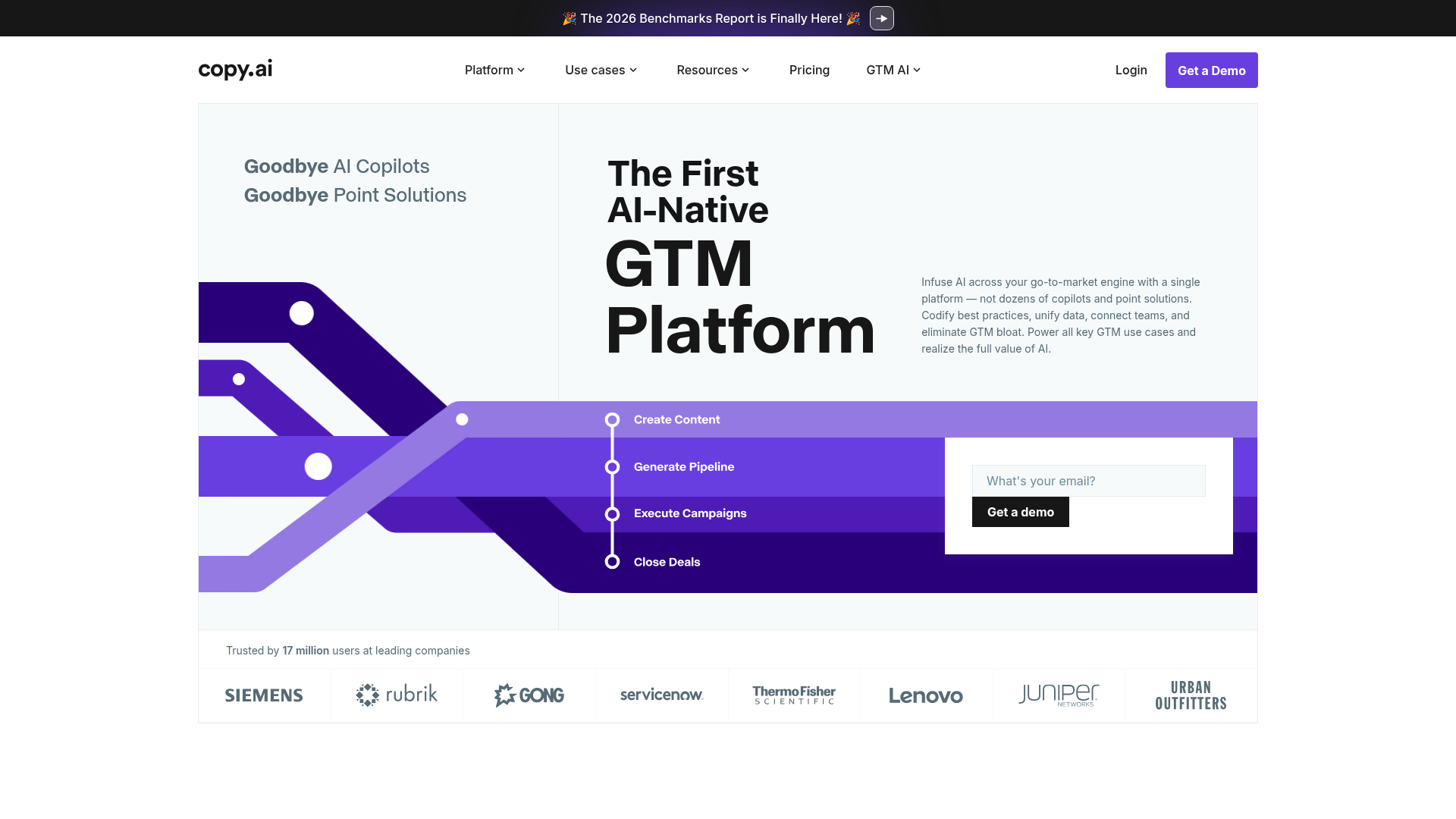
Founded in 2020, Copy.ai has become a major name in AI-assisted content and workflow automation. Sales and marketing teams use it to create copy quickly, keep messaging consistent and automate repeatable tasks. Pretty handy. The platform includes brand voice tools, prompt-based workflows and multi-user collaboration. It can support content creation across different teams, though its strongest use is go-to-market execution and short-form assets rather than deeply researched, SEO-led long-form publishing.
Core Features
- AI writing for sales and marketing copy
- Workflow automation tools
- Brand voice support
- Prompt templates for repeatable tasks
- Multi-user collaboration
- Multi-language content support
Pros
- Very easy to use: Non-technical teams can get comfortable with the platform quickly.
- Strong workflow angle: Teams can use it for repeatable content and messaging tasks. A practical fit.
- Good for campaign velocity: It helps teams move faster on short-form and go-to-market content.
- Supports collaboration: Teams across different roles can use it in a practical, straightforward way.
Cons
- Less focused on long-form SEO: It may not be the best fit for content teams focused on search growth.
- Strategy depth is lighter: Advanced SEO planning and optimization are not really a core strength here.
- Cost may be harder to justify for simple needs: Smaller teams may find better value elsewhere.
Who It’s For
Copy.ai works best for sales, demand generation and marketing teams that need fast output for campaigns, messaging and workflow automation. It can also work for content teams. Still, businesses that focus heavily on search performance may prefer a platform that lines up more directly with SEO content production, such as Seozilla.
Unique Value Proposition
What sets Copy.ai apart is that AI writing is only one part of a broader automation workflow. That setup helps organizations standardize repetitive tasks across sales and marketing. Compared with a more SEO-specialized option, Copy.ai is stronger at operational speed for messaging and less focused on deep support for organic content systems.
Pricing: From $49/month
Website: https://www.copy.ai/
How the Top Tools Really Compare
The best choice depends on the kind of content system a team wants to build. For quick ad copy or campaign support, Jasper and Copy.ai both make sense. When budget matters most, Writesonic has a lower barrier to entry. If the goal is scaling content for organic search, easier publishing and steady brand consistency, Seozilla is the more direct fit.
Content creation is no longer just about generating paragraphs. Teams need topic coverage, better workflow efficiency, content personalization, and easier CMS delivery. For many mid-sized businesses and agencies, the gap shows up here: the difference between a general AI writer and a platform built for SEO execution. Seozilla combines AI content generation with automation and publishing support to close that gap. It reduces manual work and can lower the hands-on effort that slows SEO programs.
If You Want More Traffic Without More Content Chaos
Most teams don’t struggle because they run out of ideas. Content production gets messy fast. Briefs drag on, brand voice starts to slip, drafts pile up, publishing bottlenecks grow, and day-to-day requests keep pushing SEO goals to the side. That’s why picking the right AI writing platform matters in 2026.
For teams trying to scale content production, Seozilla stands out as the strongest option in this comparison. It supports marketers and SEO teams that need more than basic writing help, with SEO automation, content personalization, brand alignment, and smoother CMS publishing. It does more than draft copy.
That gives growth teams a real edge when rankings and organic traffic matter. Businesses that need that level of support should take a closer look at SEOZilla.ai and see whether Seozilla matches their content goals for 2026.
Frequently Asked Questions
Start with your main goal. If you care most about SEO performance, look for tools that support search-focused writing, workflow efficiency, brand voice control, and publishing integration. If your team mostly needs ad copy or email help, a general AI writer may be enough.
Measure it against real outcomes, not just writing speed. Look at organic traffic growth, ranking improvements, content production time, publishing consistency, and how much editing your team still has to do. A tool like SEOZilla.ai can be especially relevant for teams that want to evaluate both content generation and SEO workflow efficiency together.
Pricing varies a lot by feature depth, seat count, and workflow support. Entry plans may start around $12 to $50 per month for individual users, while business plans can be much higher. Teams should compare not just sticker price, but how much manual work the tool removes from the content process.
You can usually see workflow improvements almost right away, especially in drafting speed and production volume. SEO results take longer and often depend on content quality, site authority, competition, and publishing consistency. In most cases, organic gains become clearer over several months rather than a few weeks.
The biggest gains usually go to businesses that publish content regularly and need to scale without hiring a large editorial team. That includes SaaS brands, e-commerce companies, agencies, and B2B service firms. Teams with strong SEO goals often benefit more from platforms that combine writing with workflow support, such as SEOZilla.ai, rather than using a basic text generator alone.
Not usually. AI can speed up research, drafting, and optimization, but rankings still depend on strategy, search intent, topical coverage, internal linking, and content quality. The best results happen when AI supports a clear SEO process instead of replacing it.