Best AI Tools for Content Generation in 2026

TLDR; The article looks at four leading AI content platforms for 2026: Seozilla, Jasper, Copy.ai, and Surfer AI.
Jasper and Copy.ai feel like strong picks for broad marketing needs and short-form content, such as ads or social posts. They often work well for that kind of job because they’re easy to use for quick, general content tasks. Surfer AI, on the other hand, is likely a better fit for SEO specialists who want search-focused optimization, especially when the goal is to rank well in search results.
Seozilla, though, is the best fit for teams building scalable SEO content operations. It combines content generation, brand voice control, workflow automation, CMS integration, and publishing support in one place, which often matters more for larger teams handling many moving parts.
The main takeaway is to choose a tool based on how the team actually works, especially when support is needed for general content or for driving organic growth across many pages and campaigns at scale.
Picking the right AI content platform is harder than it looks, especially if you are trying to find the best AI for content in 2026. A lot of tools promise faster writing, better SEO, and easier growth right away. But after a closer look, the differences start to matter. Some are best for short-form copy. Others are clearly made for SEO teams. A few also support workflow automation, yet they still need a lot of editing before anything is ready to publish, and that gets frustrating fast.
If you’re searching for the best AI for content in 2026, you’re probably after more than a chatbot that turns out generic blog posts. You need a platform that helps your team plan, create, improve, and publish content that actually supports organic growth. That applies to digital marketers and SEO specialists, but also to content managers and agency teams. It also matters for teams being asked to do more with less while still keeping up with deadlines.
This review compares leading options on the market, looking at where each one works well, where it falls short, and which teams it suits best. If you need content production that can grow, stays on brand, and works well for search, this breakdown of the top AI content generators should make the choice faster and help you avoid a few costly mistakes.
What You’ll Find in This Guide About the Best AI for Content
- Seozilla
- Jasper
- Copy.ai
- Surfer AI
AI Content Tools You’ll Want to Try for the Best AI for Content
1. Seozilla
At a Glance
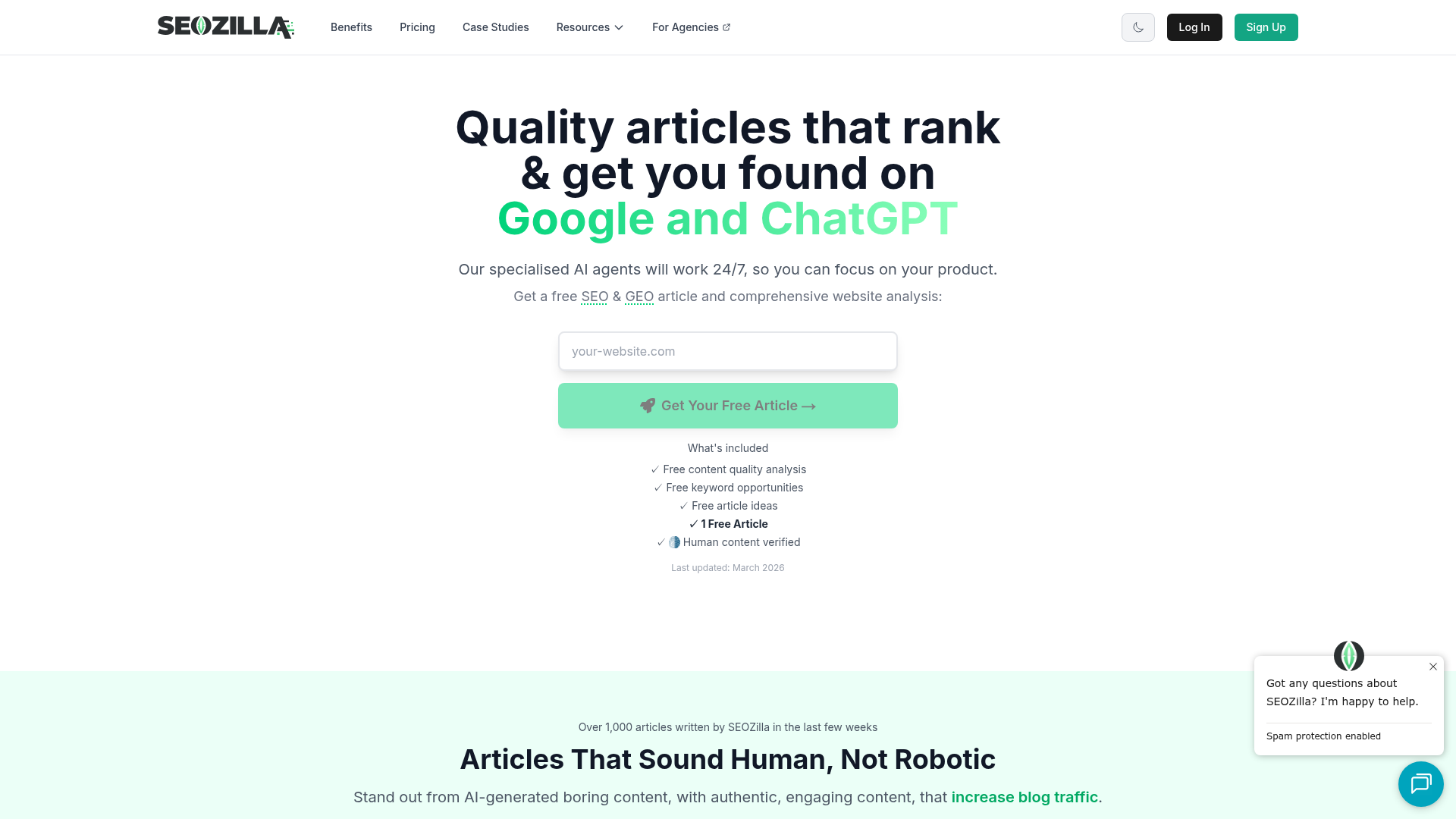
SEOZilla.ai is a good fit for teams that want AI content generation tied closely to SEO results, publishing workflows, and brand consistency. It goes far beyond a basic writing assistant. The platform is built to help businesses grow organic traffic while keeping content production organized and lined up with search goals. That makes it a strong choice for mid-sized businesses and agencies that need to create content at scale without losing control over voice, quality, or on-page optimization. For teams focused on growth, it often feels more like a connected system than a single-use tool, and that’s a big reason people like it.
Core Features
- AI-powered SEO content creation built for organic traffic growth
- Brand voice adaptation to keep messaging more consistent
- Content personalization that matches business goals and audience needs
- SEO automation to cut down manual planning and writing work
- CMS integration for easier publishing workflows
- Auto-publishing support that helps speed up production
- Built for content operations that can grow across teams and campaigns
Pros
- Built for SEO teams: It supports content designed to rank, not just content that reads well.
- Brand alignment: The platform helps keep tone and messaging closer to your existing brand voice, which is especially useful at higher publishing volume.
- Workflow efficiency: Auto-publishing and CMS integration can reduce bottlenecks for marketing teams.
- Scalable output: It works well for businesses that need a high volume of pages, articles, or landing pages without growing into a large writing team.
- Less manual effort: Teams can automate big parts of content production while still keeping strategic control.
Who It’s For
Seozilla fits digital marketing teams, SEO managers, agencies, and content operations leaders who care about traffic, consistency, and speed. It works especially well for businesses that want AI to support a repeatable SEO content system rather than just produce one-off articles. It’s built for ongoing output, which makes a clear difference for teams publishing all the time.
Unique Value Proposition
Seozilla’s main benefit is how it turns AI content generation into a broader SEO growth workflow. Many tools stop at helping with drafts. Seozilla brings together SEO automation, brand voice adaptation, personalized content creation, and publishing efficiency in one place. For growth teams, that mix helps shrink the gap between the first idea and live content. Instead of managing strategy in one tool, drafting in another, and publishing manually at the end, teams can keep more of the process connected. That usually means moving faster and dealing with fewer handoffs, which can cut a lot of back-and-forth. For businesses aiming to scale organic traffic in 2026, that level of workflow support can be a real advantage.
Why Seozilla Fits Teams Looking for the Best AI for Content
Teams comparing platforms often focus only on writing quality, but workflow support matters just as much. Seozilla helps connect planning, optimization, publishing, and SEO tracking in a way that reduces repetitive work across departments. That makes it useful for organizations that want content operations to stay efficient while publishing volume increases.
Real World Use Case
A mid-sized SaaS company trying to publish 20 SEO articles and 30 product-support pages each month is a good example. Using Seozilla, the team can create brand-aligned drafts, improve for search intent, and move content into its CMS with less manual coordination. That means publishing can happen faster, while the team has more time for strategy, content updates, and measuring results.
Pricing: Contact for pricing
Website: https://www.seozilla.ai/
Pricing, features, and workflow depth vary quite a bit, so comparing the tools side by side can make the decision clearer. Teams also looking at Best AI SEO Tools for Content Optimization may find it useful to compare SEO workflow depth before making a final decision.
| Company | Key Features | Pros | Cons | Pricing |
|---|---|---|---|---|
| Seozilla | SEO content automation, brand voice adaptation, CMS integration, auto-publishing, personalization | Strong SEO focus, scalable workflows, brand consistency, efficient publishing | None | Contact for pricing |
| Jasper | Marketing templates, brand voice, campaign assets, AI chat, team collaboration | Strong for marketing copy, polished interface, broad use cases | Can get expensive, not as SEO-native as some tools | Creator from $49/mo; Pro from $69/mo billed monthly |
| Copy.ai | Workflows, sales and marketing templates, AI chat, prospecting tools, content generation | Good workflow automation, easy to use, useful for go-to-market teams | Less specialized for deep SEO content, output may need editing | Free plan available; paid plans from $49/mo |
| Surfer AI | AI article generation, SERP-based optimization, keyword guidance, content editor, topical recommendations | SEO-driven output, strong optimization support, useful for search teams | Less flexible for non-SEO writing, tied closely to Surfer ecosystem | Plans vary; AI article generation sold as add-on or included in higher tiers |
The table above gives a quick snapshot, but the best choice still depends on how your team actually works day to day.
2. Jasper
At a Glance
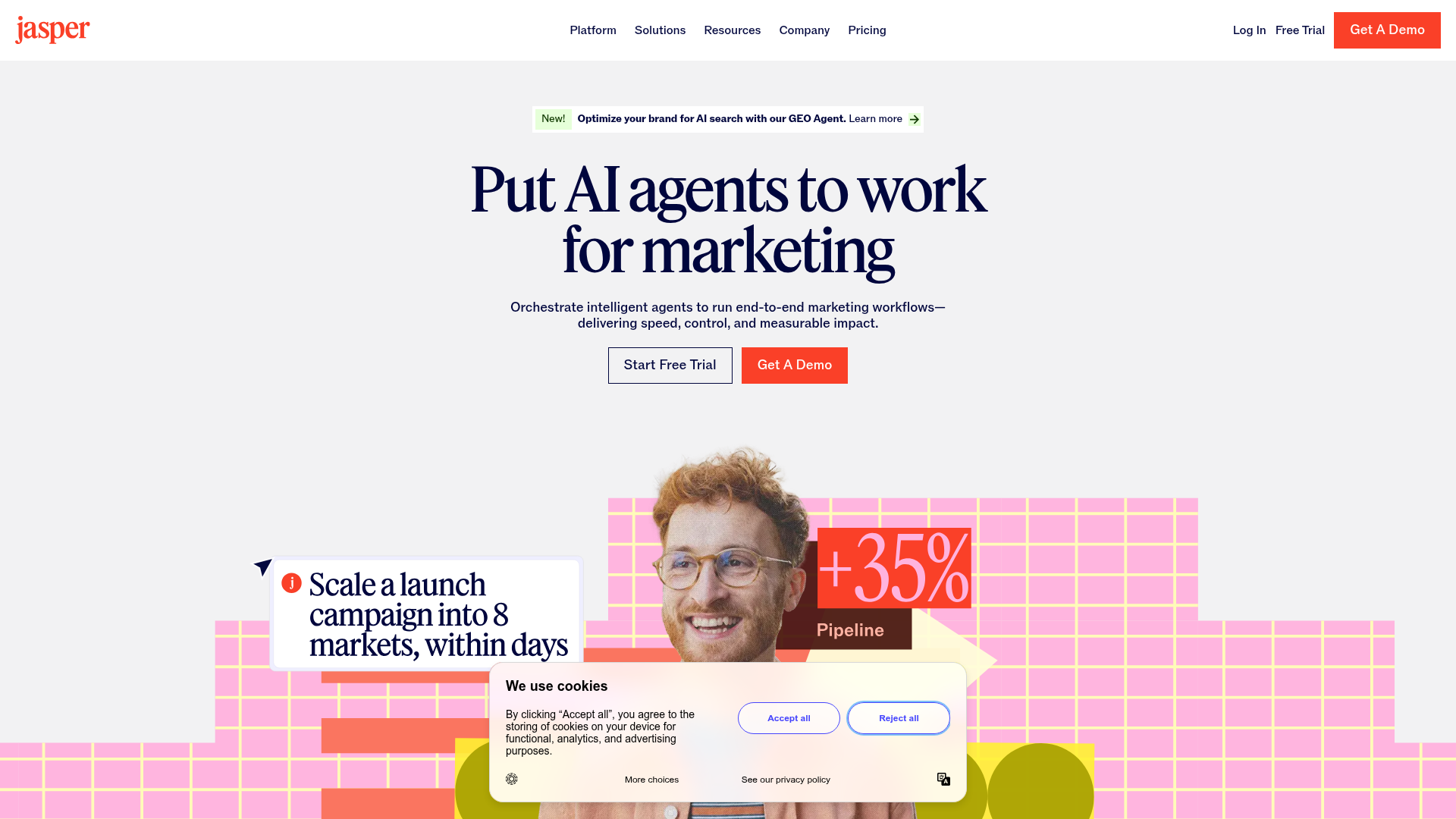
Jasper is one of the best-known AI writing platforms for marketing teams. It built that name by staying focused on practical content creation for blogs, ads, emails, landing pages, and other campaign assets. The interface feels polished, with brand voice tools, team features, and templates that help teams work faster. Businesses often pick Jasper when they need help across many kinds of marketing work. It is less closely tied to SEO automation workflows than some platforms made more specifically for that job.
Core Features
- AI writing for blogs, ads, emails, and website copy
- Brand voice and style guidance
- Marketing templates for common use cases
- Collaboration features for teams
- AI chat assistant
- Campaign creation support
- Integrations with selected marketing workflows
Pros
- Easy to learn: The platform is beginner-friendly for marketers and content teams.
- Strong template library: Useful for quick results across many content formats.
- Good brand controls: Teams can shape output more clearly than with basic AI chat tools.
- Versatile use cases: It handles short-form marketing tasks well and can also support longer content.
Cons
- Higher cost: Pricing can rise fairly quickly for growing teams.
- SEO is not the core focus: It supports content creation well, but SEO automation is not its main focus.
- May still need editing: Long-form content still needs human review for depth and accuracy.
Who It’s For
Jasper works best for marketing teams that want one tool for many content types instead of only SEO articles. A team may be creating ad copy, nurture emails, landing page text, social content, and blog posts at the same time. Jasper gives that kind of work a lot of flexibility and can cut down some of the usual back-and-forth.
Unique Value Proposition
Jasper works well as a broad AI marketing assistant. Its main benefit comes from helping teams create branded content faster across channels. It is not as focused on full SEO operations, which makes it a practical option for organizations managing varied campaign needs.
Comparing Jasper With the Best AI for Content Platforms
Jasper is flexible for general marketing use, but teams focused heavily on organic traffic may still want stronger SEO workflow support. In many cases, companies compare Jasper with systems like Seozilla because SEO automation, CMS integration, and publishing coordination become more important as content production grows.
Pricing: Creator from $49/month; Pro from $69/month billed monthly
Website: https://www.jasper.ai/
This quick video offers a useful intro to how AI content fits into a modern search strategy.
3. Copy.ai
At a Glance
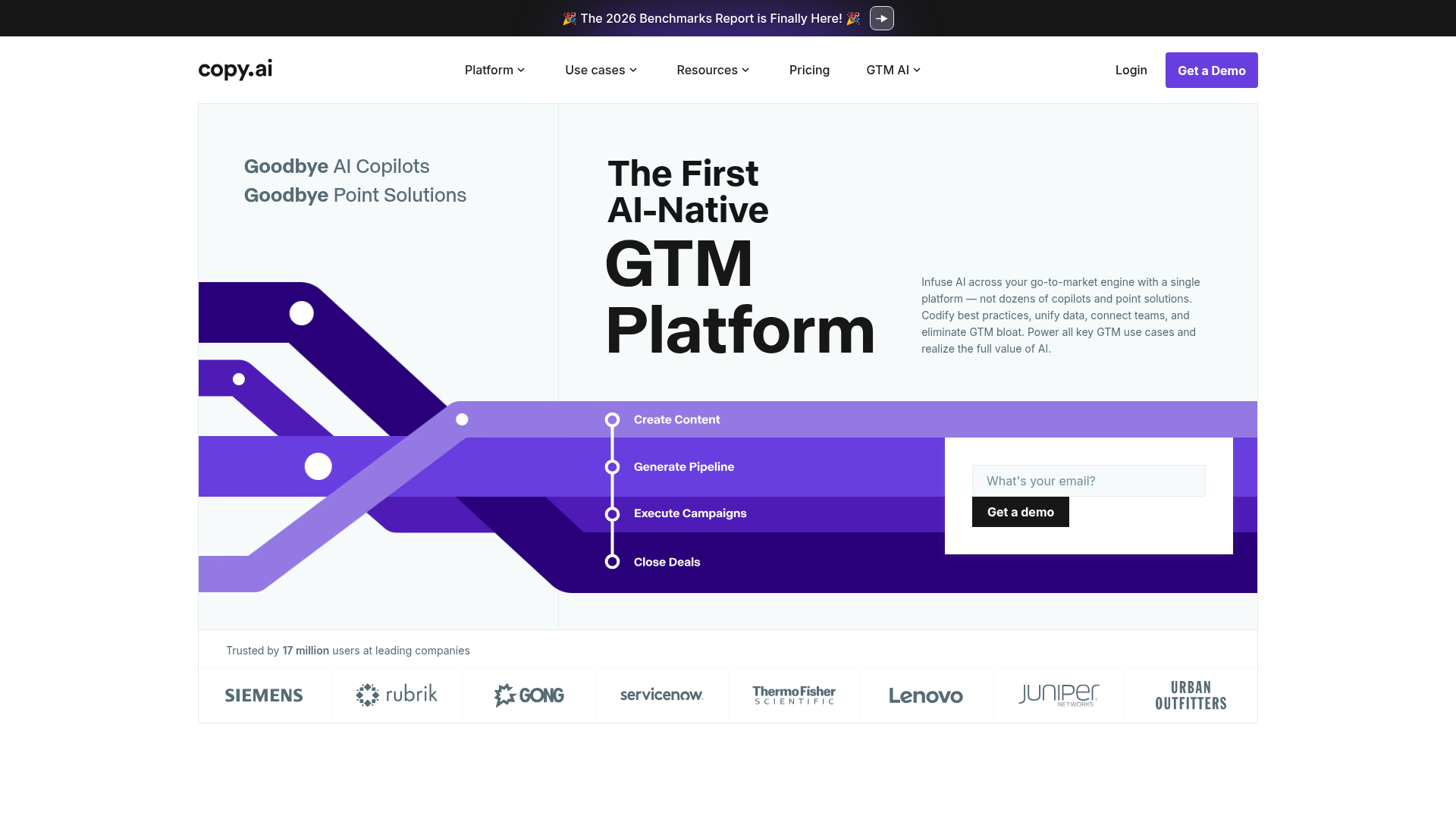
Copy.ai started as an AI copywriting tool, but it has grown into a broader platform for sales, marketing, and go-to-market workflows. Teams often pick it for fast drafts, workflow automation, and help with prospecting emails, product messaging, blog posts, and campaign planning, so it covers a wide range of work. The platform feels flexible and easy to use, which makes it approachable for non-technical teams that want to start quickly. Companies that focus heavily on search rankings, though, may find it a bit more general than tools built mainly for SEO.
Core Features
- AI content generation for blogs, emails, web copy, and more
- Workflow automation tools
- Sales and marketing use case templates
- AI chat support
- Product and brand messaging help
- Team collaboration features
- Free plan for testing basic usage
Pros
- Simple setup: Teams can start using it quickly without much training.
- Wide workflow support: It works well for sales and marketing teams that need to collaborate.
- Free starting point: Useful for smaller teams testing AI tools.
- Useful short-form output: It performs well for email, ad, and sales copy.
Cons
- Less SEO-focused: It is not mainly built for search content operations.
- Variable long-form quality: Blog content may need more fact-checking and extra rewriting.
- Can feel generic: Sometimes the output needs stronger brand editing, and a quick human pass usually helps.
Who It’s For
Copy.ai fits growth teams, startups, and cross-functional departments that want one AI assistant to handle a lot of communication tasks. It is especially useful for busy teams managing several types of work at once. It also helps when content projects overlap with sales enablement, since that can cut down on the need for separate tools at each stage.
Unique Value Proposition
The main benefit here is the range of workflows it supports. Copy.ai goes beyond basic writing and can automate common go-to-market tasks. That makes it appealing for teams looking for speed, simplicity, and help across multiple departments without adding extra complexity.
Workflow Flexibility and SEO Content Operations
For teams trying to balance sales messaging with SEO publishing, workflow flexibility can be useful. However, businesses that rely heavily on search traffic often need more structured optimization support. Resources like Best AI SEO Tools for Content Teams That Publish at Scale (What Actually Reduces Work) explain why workflow coordination matters more as publishing volume increases.
Pricing: Free plan available; paid plans from $49/month
Website: https://www.copy.ai/
4. Surfer AI
At a Glance
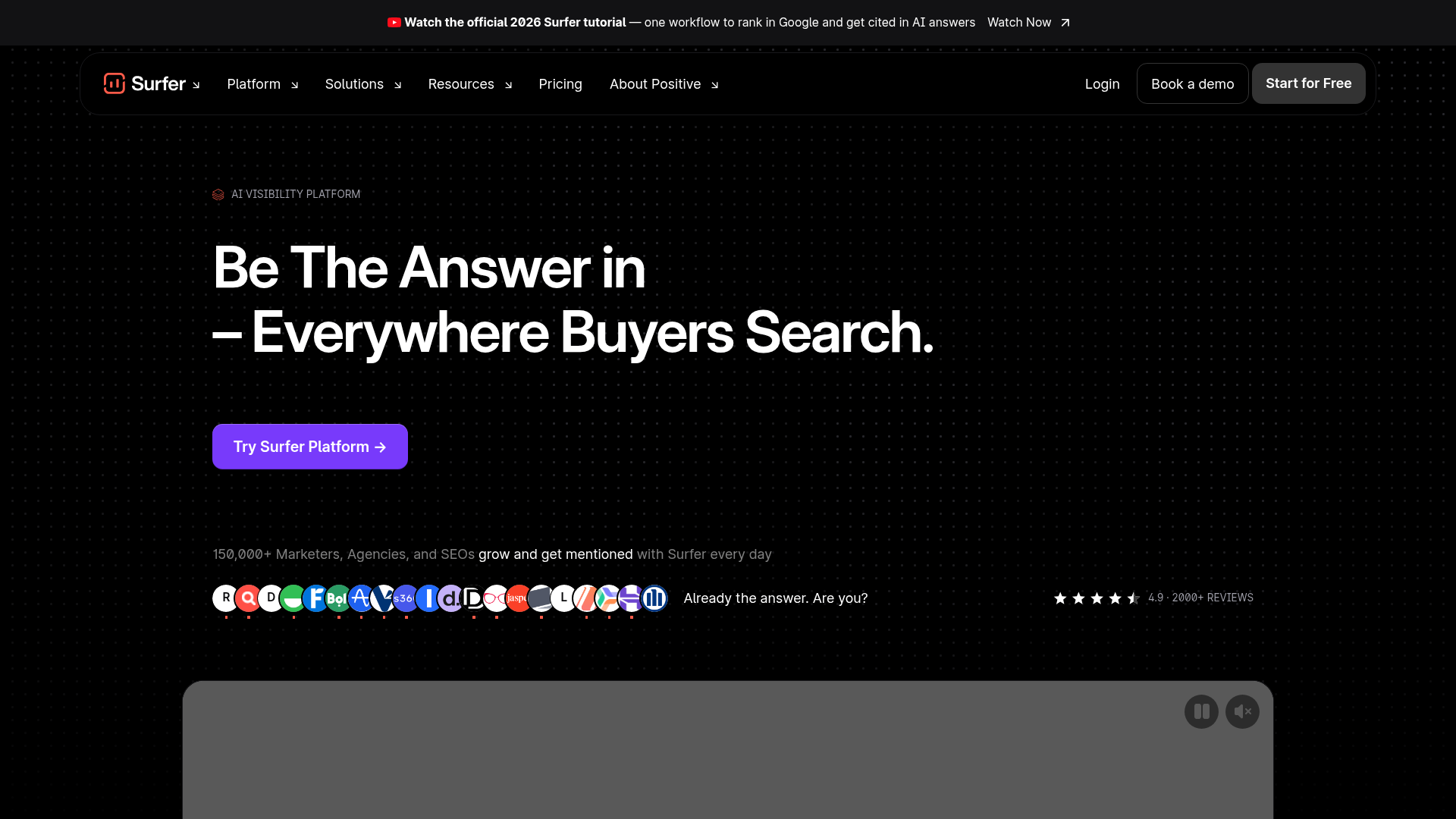
Surfer AI is part of the broader Surfer SEO platform and is clearly made for teams that keep search optimization at the center of their work. It combines AI content generation, SERP-based recommendations, keyword guidance, optimization scoring, and competitor analysis, so its focus is fairly specific. That makes it a good choice for SEO professionals who want content creation closely tied to ranking signals. For search-focused content, it usually does better than it does with broader marketing copy. It also works best for teams that already understand SEO workflows, since that experience helps you get more out of the platform.
Core Features
- AI article generation based on SEO inputs
- SERP analysis and optimization guidance
- Keyword and topic recommendations
- Content Editor integration
- On-page optimization support
- Competitor-informed content structure
- Built into the Surfer SEO platform
Pros
- SEO-first approach: Useful for teams trying to improve rankings.
- Strong optimization support: Helps shape content around target queries, SERP patterns, and content structure.
- Good for search workflows: Fits naturally into processes many SEO teams already use.
- Based on search data: Offers more than basic text generation, including search-based structure and optimization direction.
Cons
- Narrower use case: Better suited to SEO articles than broader content marketing needs.
- Extra cost considerations: AI generation may depend on your plan level or add-ons.
- Learning curve: New users may need a little time to use the platform well.
Who It’s For
Surfer AI works especially well for SEO specialists, agencies, and in-house teams that already spend time with SERPs, content scores, and on-page optimization. It will not be the right fit for every team, which is fine. Teams looking for a general content platform across email, social, and brand campaigns may find it less suitable.
Unique Value Proposition
Surfer AI stands out because it connects AI writing with live SEO signals. Search data shapes the structure and optimization guidance, which is especially helpful when the goal is a competitive keyword where even small ranking gains can make a difference.
Pricing: Varies by plan; AI article generation may be bundled or sold separately depending on subscription level
Website: https://surferseo.com/
How to Choose the Right AI Tool for Your Team
The right platform depends on what the team is trying to grow. If the main need is ad copy, social captions, emails, or other everyday content, a broad tool like Jasper or Copy.ai may be enough. That’s pretty simple. But if the bigger goal is growing organic traffic through repeatable, search-focused publishing, a more specialized option usually makes more sense. Platforms with stronger SEO workflows tend to work better here, and they’re more practical for teams handling that kind of work.
In 2026, most teams aren’t really debating whether to use AI anymore. They’re asking whether their AI stack can support quality and consistency without slowing down the workflow. Growth teams also want content planning, optimization, publishing, and brand alignment in one place instead of stitching together multiple tools, which can get messy fast. Seozilla fits that kind of setup well because it connects content generation more directly with SEO operations. That helps cut wasted time and lets teams publish more efficiently instead of jumping between tools all day.
Planning Workflows Around the Best AI for Content
Choosing the best AI for content often comes down to operational fit rather than flashy features alone. Teams publishing at scale usually benefit more from platforms that reduce manual SEO work, simplify approvals, and connect directly to CMS systems. Guides like The Complete Guide to CMS Integration Best Practices for AI Content Platforms can help teams understand how those workflow decisions affect long-term efficiency.
When Fast Content Isn’t Enough
Lots of AI writing tools can spit out words fast, but that alone is not impressive anymore. What matters now is whether the content matches search intent, fits your brand, and actually gets published without turning into another manual project for your team, which happens a lot. That’s where many companies get stuck: more drafts, but not better results.
If that sounds familiar, it usually makes more sense to choose a platform built for larger operations instead of just text generation. SEOZilla.ai is a good option for teams that want to automate more of the SEO content process while still keeping brand voice and publishing workflows under control, without the usual mess. For mid-sized businesses and agencies, that can mean less busywork and a clearer path from content production to organic growth for your team.
Frequently Asked Questions
Start with your main goal. If you care about SEO, look for tools with keyword guidance, content optimization, and workflow support. You should also check brand voice controls, editing needs, integrations, and whether the tool helps your team publish faster instead of just drafting faster.
Track organic traffic, rankings, impressions, click-through rate, publishing speed, and how much human editing is still required. A platform like SEOZilla.ai can be useful here because it is designed around SEO content operations rather than only generic text generation. Teams measuring SEO impact may also benefit from resources like Content Performance Metrics: How to Measure What Drives SEO.
Pricing varies widely. Some tools start around $49 per month for individuals or small teams, while more advanced team plans and SEO-focused platforms can cost much more depending on features, users, and publishing volume. Custom pricing is common for enterprise or workflow-heavy solutions.
For workflow efficiency, you may see benefits right away because drafting and publishing often get faster within days or weeks. For SEO results, it usually takes a few weeks to a few months depending on your site authority, competition, content quality, and how often you publish and update pages.
Mid-sized businesses, agencies, SaaS companies, ecommerce brands, and content-heavy publishers often benefit the most. These teams usually have enough content demand to justify automation, but still need quality control, brand consistency, and measurable SEO impact.
Sometimes, but not always. Many teams still combine AI writing with SEO tools, analytics, and CMS workflows. If you want fewer moving parts, it makes sense to look at platforms that cover more of the full process, such as planning, generation, optimization, and publishing in one system.
Ready to Scale Content Without Scaling Chaos?
If your team is jumping between content briefs, drafts, revisions, SEO checks, and manual publishing, the problem usually is not just writing faster. It is the drag in the workflow. Too many tools mean more handoffs, extra cleanup, and far too much time spent fixing flat AI output before anything can go live, which wears people down fast.
So the best choice in 2026 is not just the tool with the flashiest AI. It is the one that helps teams create useful, search-friendly, brand-aligned content at scale. Seozilla stands out for that reason. It handles content generation as part of a growth system rather than just another writing assistant. With SEO automation, brand voice adaptation, personalization, and CMS integration, it is made for teams that want more efficiency without giving up strategic control.
For a smarter way to grow organic traffic through AI-based content operations, visit https://www.seozilla.ai/ and see if it fits your workflow.